By Bryan Muhoozi
Every young player in Uganda has the same dream: to be noticed by a good club, a top school or a scout who can open the next door. But talent alone is not always enough. Many good players are never seen simply because they didn’t know where to play, how to prepare or how to present themselves.
This guide explains, step by step, how young players can get noticed in Uganda, and how to avoid the mistakes and scams that waste time and money.
First, What Is a Scout?
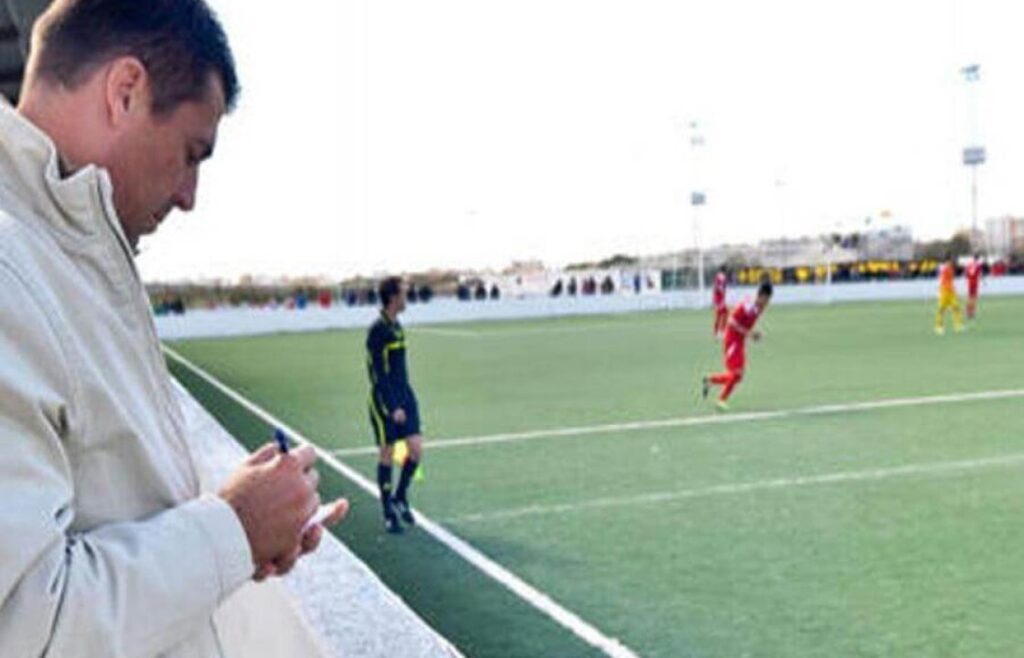
A scout is someone who watches players on behalf of a club, academy, school or agency. Their job is to find players who match what their team needs. They attend matches, tournaments and trials, watch video, and ask coaches and other people about a player’s ability and attitude.
Scouts are looking for more than skill. They notice how a player behaves when things go wrong, how hard they work, how they treat teammates and whether they listen to coaches.
Step 1: Build a Strong Foundation
Scouts can only recommend players who are good enough, so the first step is to improve your game. Focus on:
- Technique: first touch, passing, dribbling, shooting and using both feet
- Fitness: speed, stamina, strength and agility
- Game understanding: knowing where to move, when to pass and how to defend as a team
- Consistency: playing well week after week, not just in one match
Train regularly, ideally with qualified coaches in a structured programme, and practise on your own as well. Basic drills with a ball and a wall or a few cones can make a big difference.
Step 2: Play Regularly in Organised Matches

Scouts watch matches, not training sessions. If you are not playing games, you are hard to see. Aim to play as often as you can in:
- Academy and club matches
- School competitions and inter-school tournaments
- Local and regional tournaments
- Community leagues and friendlies
Quality matters too. Playing against stronger teams helps you grow, and it puts you in front of people who know what a good player looks like.
Step 3: Find the Right Environment
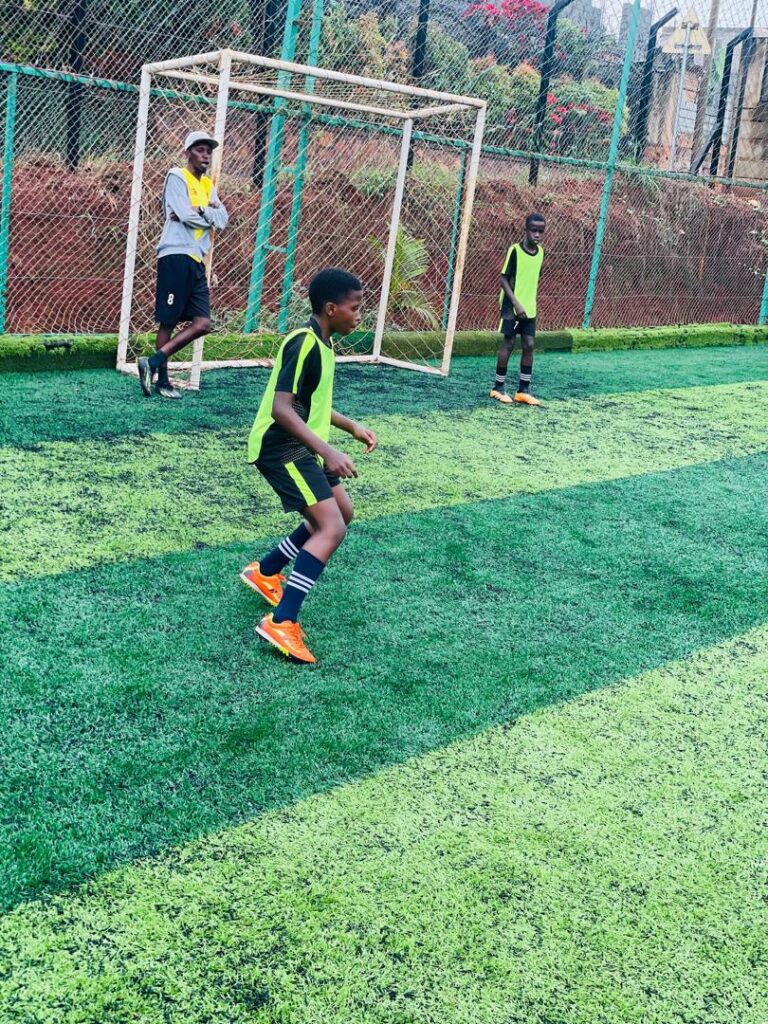
Where you play shapes who sees you. A good academy or club will have coaches who connect with other teams, enter tournaments and know what scouts are looking for.
Look for a place that:
- Has qualified, experienced coaches
- Plays regular matches against decent opposition
- Takes part in tournaments and organised events
- Has an honest record of helping players progress, with real examples
- Cares about your education and behaviour
Be careful of any academy that promises you will be signed or sent abroad. Nobody can guarantee that.
Step 4: Know Your Position and Your Strengths
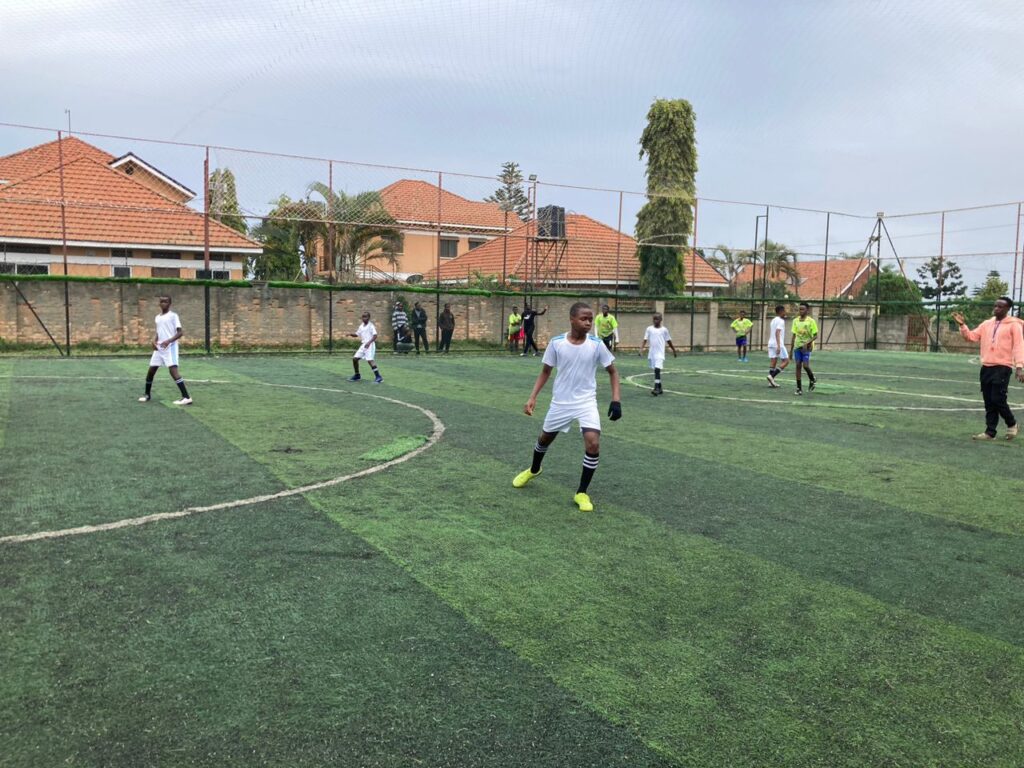
Scouts often look for specific players for specific roles. Be clear about:
- Your main position and, if possible, one or two backups
- Your best qualities: perhaps pace, strong tackling, vision, finishing or good distribution
- What you need to improve
Ask your coach for honest feedback. A player who understands their own game is much more impressive than one who says, “I can play anywhere.”
Step 5: Look After Your Body and Mind
Scouts notice players who are fit, healthy and mentally strong. Make these habits part of your routine:
- Eat well: balanced meals with energy foods, protein, fruit and vegetables
- Drink water throughout the day
- Sleep enough, especially after hard training or matches
- Avoid risky habits that harm your health and reputation
- Rest and recover after matches to avoid injury
Also learn to handle pressure. Nerves are normal in front of scouts, but players who stay calm and keep playing their game stand out.

Step 6: Keep Your Education on Track
Many opportunities, such as scholarships and school or university placements, depend on your academic record as well as your football. Clubs also like players who are disciplined and can learn quickly.
Attend school, do your homework and keep your grades up. A player who is good at football and reliable in the classroom is far more attractive than one who is only good at football.
Step 7: Record Your Matches and Make a Highlight Video
Video is one of the most useful tools for a young player. A short highlight reel lets a scout see you even if they can’t attend your match.
Tips for a good video:
- Keep it short: 2 to 4 minutes is enough
- Start with your best moments, because scouts may stop watching after the first minute
- Make sure you are easy to find: wear a distinct kit, and put your name, position, age and contact details at the start
- Show a range of skills: passing, movement, defending, finishing, decision-making
- Use match footage, not just training clips
- Film from a clear angle, ideally from a raised position so the whole pitch is visible
If you can, ask a coach or parent to help record full matches, then pick the best moments.
Step 8: Create a Simple Player Profile

A one-page player profile makes it easy for scouts and coaches to understand who you are. Include:
- Full name, age and date of birth
- Position and preferred foot
- Height and weight
- Current club or academy
- A short list of achievements, such as tournaments played or awards won
- Your video link
- A contact number or email for a parent or guardian
Keep it honest and up to date. Never exaggerate your height, age or achievements, because scouts will find out.
Step 9: Go to Trials and Open Events
Trials and open days are among the most direct ways to be seen. When you attend one:
- Check that it is genuine. Ask who is organising it, what clubs or academies are involved, and whether other players have attended before.
- Arrive early and prepared, with your boots, shin guards, water and a positive attitude.
- Warm up properly.
- Play simply and work hard. You don’t need to dribble past everyone. Pass well, move well, defend and communicate.
- Be respectful to coaches, teammates and officials.
Even if you aren’t selected, ask for feedback. Every trial teaches you something.
Step 10: Let Your Coach and School Help

Your coaches and teachers know you better than anybody. If they believe in you, they can:
- Recommend you to other coaches and clubs
- Help you get into tournaments and trials
- Write or give references about your attitude and ability
- Guide you on what to improve
Be respectful, work hard and keep in touch with coaches who have helped you.
Step 11: Use Social Media Carefully
Social media can help you share your highlights, but it can also hurt you. Keep it positive and professional:
- Post match clips, training videos and achievements
- Avoid arguments, offensive posts or anything you wouldn’t want a scout to see
- Don’t share private information, such as your home address
- Younger players should have a parent or guardian involved in managing their accounts
Scouts and clubs often check a player’s online presence before making contact.
Step 12: Stay Patient and Keep Improving
Getting scouted is rarely quick. Some players are noticed early, others only later, after steady progress and a lot of hard work. Don’t give up after one rejection. Keep training, keep playing and keep learning.
Scams and Red Flags to Avoid
Unfortunately, some people take advantage of young players’ dreams. Watch for these warning signs:
- Asking you or your parents for money to guarantee a trial, contract or move abroad
- Promising a professional deal with no real evidence or club behind it
- Pressure to decide quickly or pay in cash with no receipt
- No verifiable record, such as no past players, clubs or events you can check
- Requests for personal documents with no clear, official reason
- Reluctance to let a parent or coach be involved
Before you pay anything or travel anywhere, ask your coach, a trusted adult or an established academy to check the offer. A genuine opportunity will survive a few questions.
A Quick Checklist for Aspiring Players
- [ ] I train regularly and work on both technique and fitness
- [ ] I play in organised matches as often as possible
- [ ] I know my position and my strengths
- [ ] I eat, drink and sleep well
- [ ] I keep up with my schoolwork
- [ ] I have a short, honest highlight video
- [ ] I have a simple one-page player profile
- [ ] I only attend trials I have checked are genuine
- [ ] I never pay money for a guaranteed contract
Final Thoughts
Getting scouted is not about luck alone. It comes from being a good player, playing in the right places, looking after yourself and being ready when the chance comes. Focus on what you can control: your effort, your habits and your attitude.
At Mumwe Football Academy, we help young players grow through professional coaching, regular matches and character development. If you want to take your football seriously, we’d love to see you play.
Ready to take the next step? Get in touch to ask about training with us by emailing to info@footballacademyuganda.org or call +256-700135510.