By Mumwe Football Academy
Parents often ask us what their child’s week will really look like if they join an academy. Will football take over their life? Will school suffer? Do they get enough rest?
Every player’s routine is a little different, depending on age, school and team. But the goal is always the same: to develop good footballers and to look after the whole child. Here is what a typical day can look like for a young player at Mumwe Football Academy, and why each part matters.
Note: This is a general picture of a typical training day. Exact times vary by age group, school schedule and season.
Early Morning: Fuel Up and Get Ready
A good day starts before the first ball is kicked. Players wake up, wash, and eat a proper breakfast, such as porridge, eggs, bread, matooke or fruit, to give them energy for the day.
We encourage players to:
- Wake up at a regular time, even on non-training days
- Pack their school bag and training kit the night before
- Drink water before leaving home
These small habits teach discipline, and discipline is one of the most important qualities in a young player.

Morning: School Comes First
At Mumwe, football is never an excuse to neglect school. Our players attend their normal classes, and we expect them to take their studies seriously.
This matters for three reasons:
- Education is a safety net. Very few players become professionals, so a solid education protects a child’s future.
- It opens doors. Good grades help with scholarships and school or university opportunities.
- It builds a better player. Footballers who learn well in class usually understand the game faster and listen better to their coaches.
We encourage players to do their homework, and we speak to parents if a child’s schoolwork starts to slip.
Afternoon: Travel and a Light Snack
After school, players make their way to training. A light snack, such as a banana, bread or groundnuts, and plenty of water help them arrive energised without feeling heavy.
Arriving on time is part of the routine. Punctuality is something our coaches take seriously, because it shows respect for teammates and for the game.
Late Afternoon: Training Session
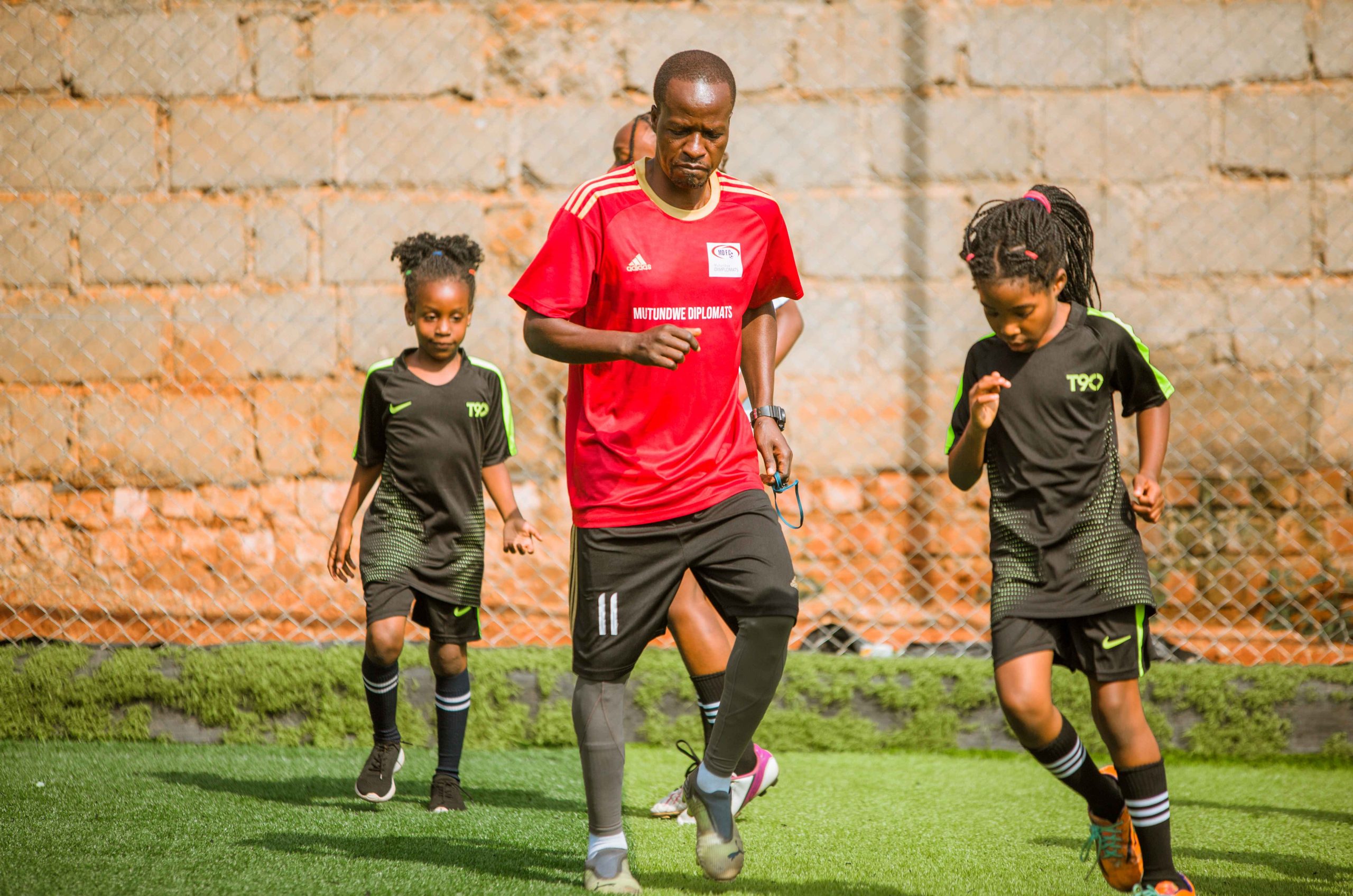
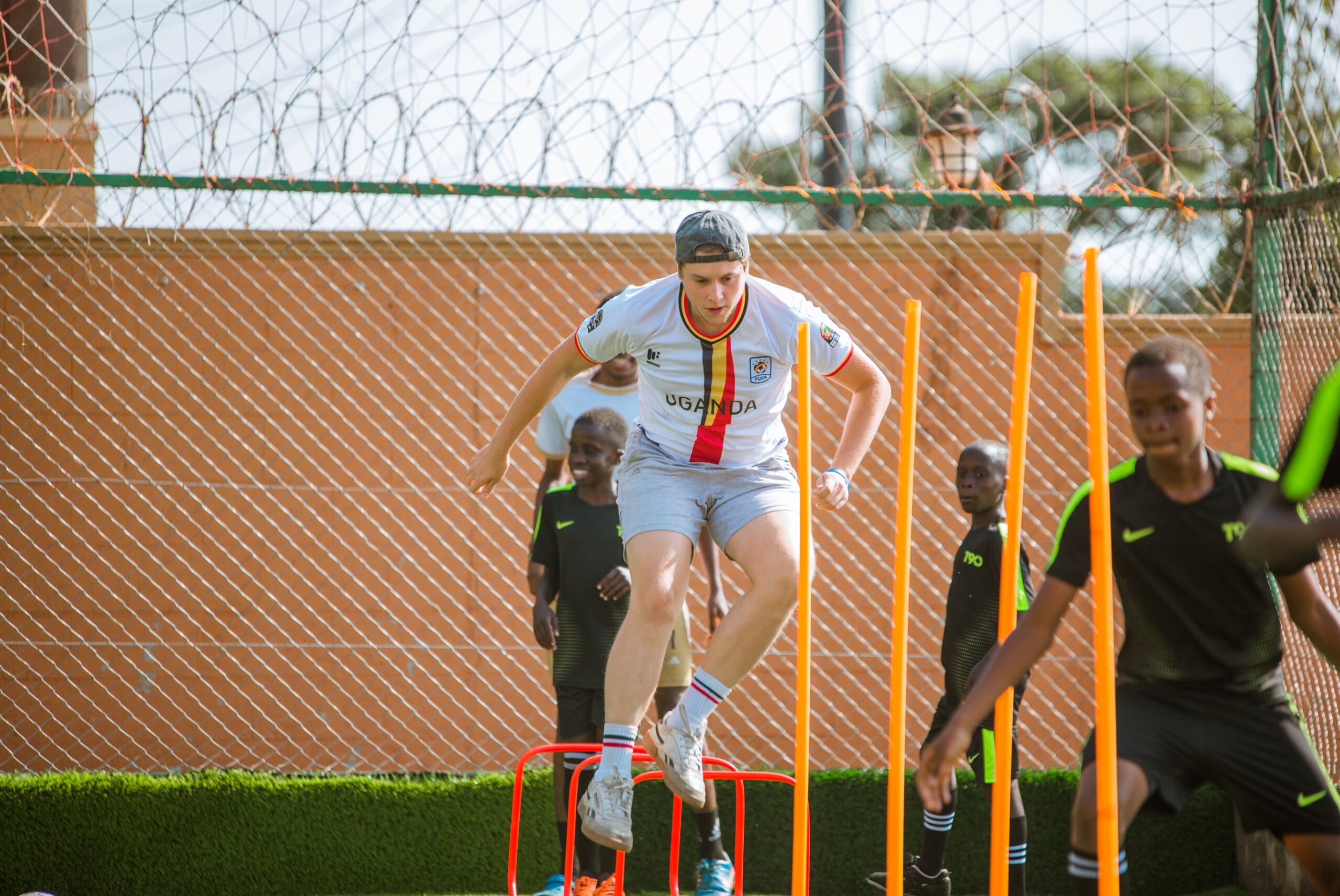
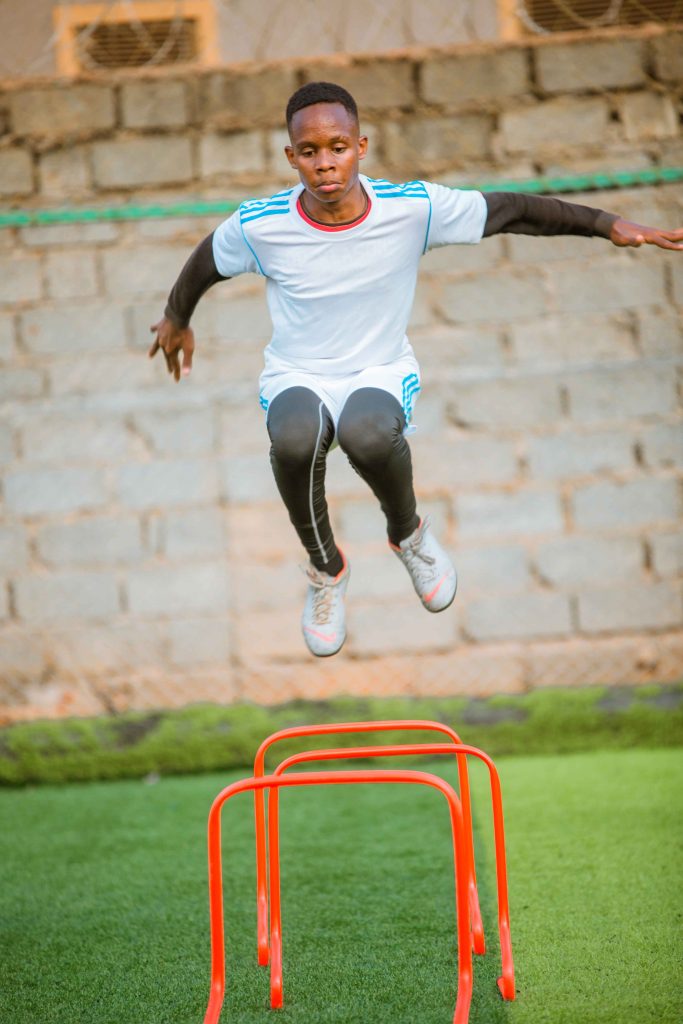
This is the heart of the day. A typical session at Mumwe may include:
1. Warm-up (10 to 15 minutes)
Light jogging, dynamic stretching and ball work to prepare the body and reduce injury risk.
2. Technical work (20 to 30 minutes)
Dribbling, passing, first touch, shooting and ball control, usually in small groups so every player gets many touches on the ball.
3. Tactical or positional work (20 to 30 minutes)
Learning where to stand, when to move, how to defend as a team and how to build attacks. Goalkeepers also have their own specific work.
4. Small-sided games or match practice (20 to 30 minutes)
Applying what they’ve learned in game situations. Players learn to make quick decisions, communicate and handle pressure.
5. Cool-down and feedback (10 minutes)
Stretching, water, and a few words from the coach about what went well and what to improve.
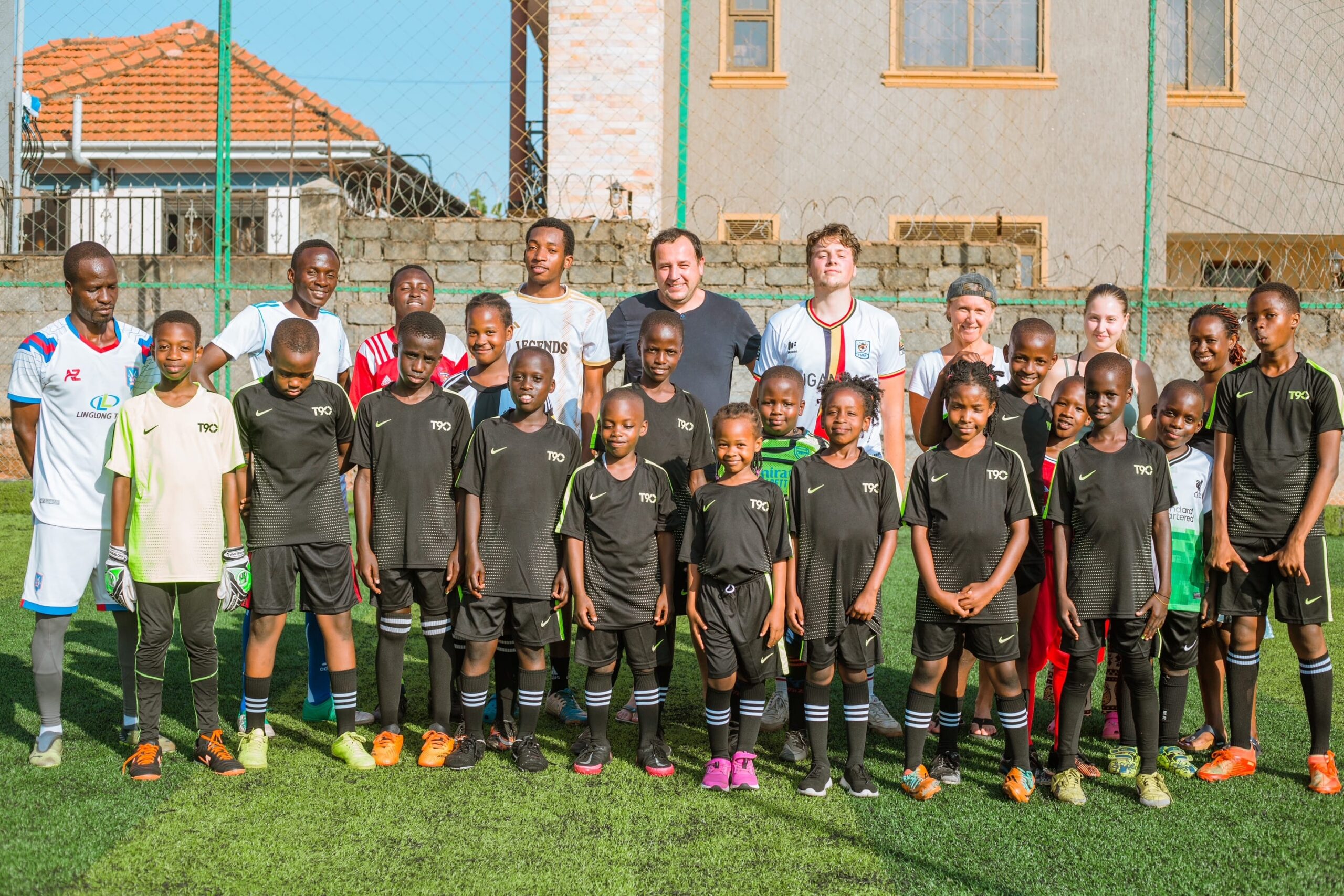
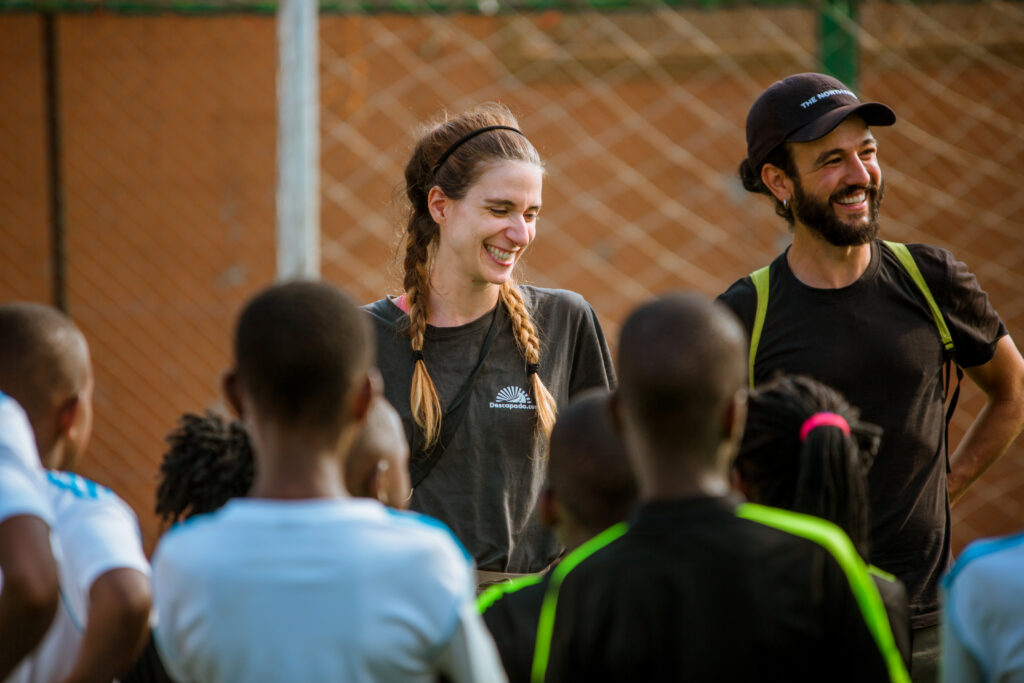
Players come from different positions and age groups, and the coaches adapt the training to suit each group. Sessions are intended to be demanding but also enjoyable, because players develop faster when they love what they do.
Evening: Recovery, Food and Homework
Training doesn’t end when the whistle blows. What a player does afterwards matters just as much for their development.
Eat well. Players need a balanced meal with carbohydrates for energy (rice, posho, potatoes, matooke), protein for muscle repair (beans, eggs, fish, meat, groundnuts) and vegetables and fruit for vitamins.
Drink water. Hydration helps with recovery and concentration.
Do homework. Even after a tiring session, we ask players to complete their schoolwork. Good time management is a skill that stays with them for life.
Wash and rest. Clean kit, a proper wash, and time to relax with family.
Night: Sleep Is Part of Training
Sleep might be the most overlooked part of a footballer’s routine. While young players sleep, their bodies repair muscles, build strength and grow. Their brains also process what they learned at school and in training.
We encourage players to:
- Go to bed at a regular, sensible time
- Avoid late nights on phones, games and television
- Get enough sleep, especially during growth spurts and busy match weeks
A well-rested player learns faster, concentrates better and gets injured less often.
Match Days and Weekends
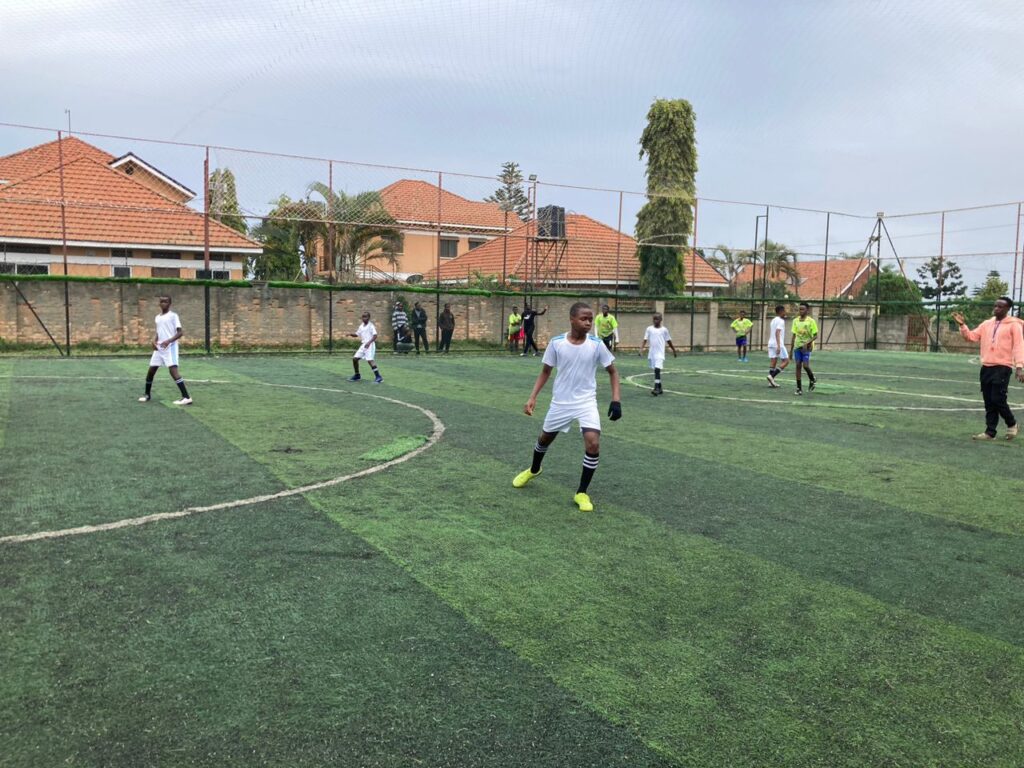
Match days are a different rhythm. Players have a lighter breakfast, arrive early, warm up properly and play against other academies and schools. After the match, the focus is on recovery and reflection: what went well, what to learn, and how to handle a win or a loss with maturity.
Weekends may include extra training, friendly matches or tournaments. But players also need real days off to rest, spend time with family and just be children. Rest days are part of the programme, not a break from it.
More Than Football
Beyond the pitch, a day at Mumwe is also about building character. Players learn:
- Discipline: being on time, following instructions, doing the work
- Teamwork: supporting teammates and putting the group first
- Respect: for coaches, opponents, referees and each other
- Resilience: handling mistakes, pressure and disappointment
These qualities help players succeed on the pitch and in school, work and life.
What Parents Can Do to Help
Parents play a big part in a young player’s routine. You can help by:
- Providing nutritious meals and plenty of water
- Making sure your child gets enough sleep
- Supporting school and homework as a priority
- Encouraging effort, not just results
- Staying in touch with coaches about progress and any concerns
Is This Routine Right for Your Child?
A structured routine like this suits children who love football, enjoy being active and are happy to learn from coaches. The aim is never to overload a child, but to build healthy habits and steady progress.
If you’d like to see for yourself, you are welcome to visit, watch a session and talk to our coaches.
Want to see a Mumwe training day in person? Get in touch to arrange a visit today by emailing to info@footballacademyuganda.org or calling +256-700135510.