By Bryan Muhoozi
If your child eats, sleeps and dreams football, sooner or later you will start asking the big question: which academy should they join? In Kampala the choice is wide. Some academies are well run and genuinely develop young players. Others are little more than a pitch, a whistle and a registration fee.
This checklist will help you tell the difference. Use it when you visit an academy in Kampala city, ask questions, and compare your options. A good academy will welcome every one of these questions.
1. Start With the Coaches
Coaches shape your child’s habits, confidence and love of the game more than any facility does. Ask these questions:
- What are their qualifications? Look for recognised coaching licences, such as those from FUFA or CAF, or at least a clear record of training and experience.
- Do they have experience with your child’s age group? Coaching a 9-year-old is very different from coaching a 16-year-old.
- How many players does each coach look after? A coach with 40 children cannot give individual attention. Smaller groups usually mean better development.
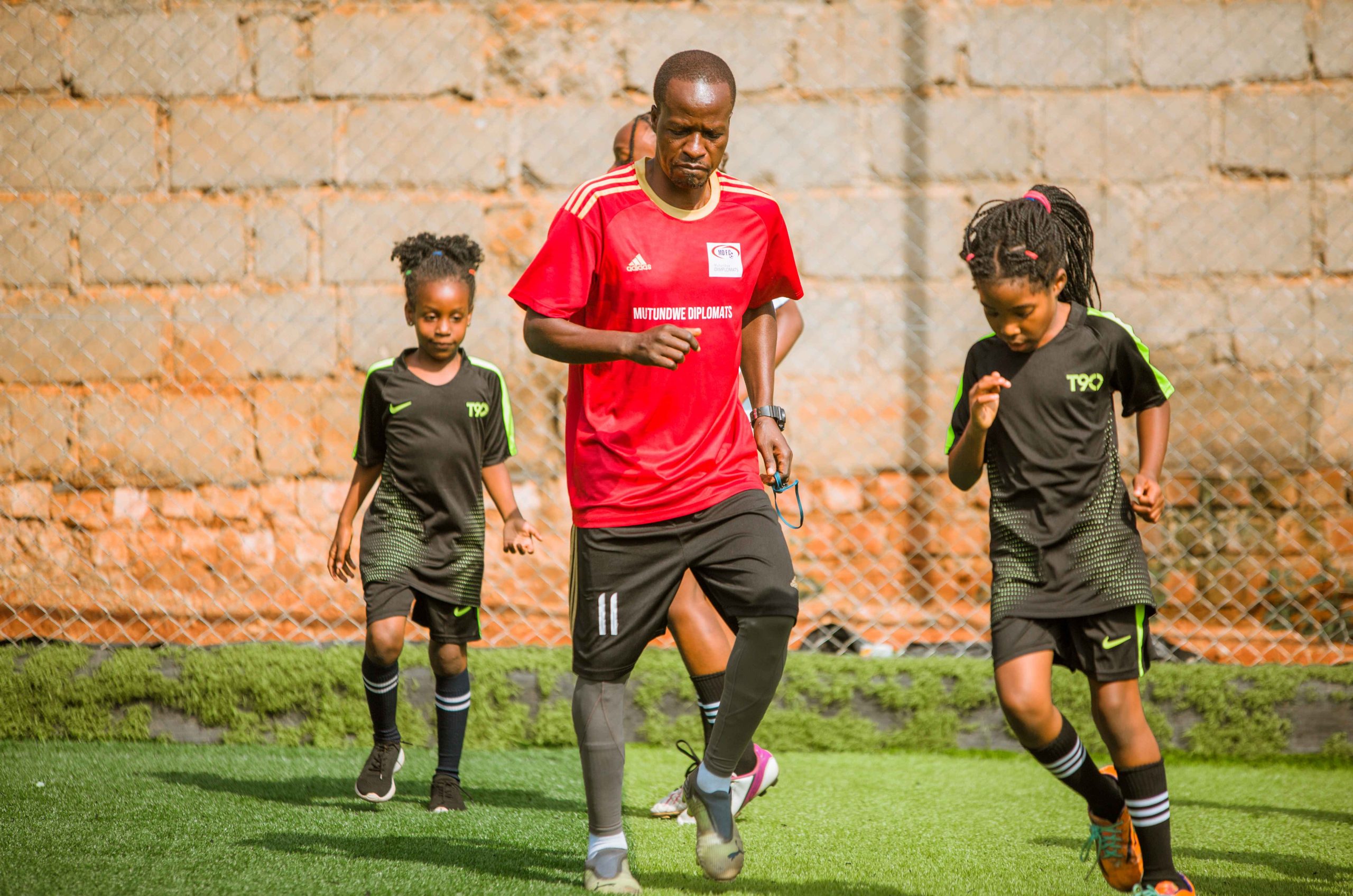
- How do they speak to the players? Watch a session. Good coaches correct and encourage. Poor coaches shout and humiliate.
2. Look at the Training Philosophy
Ask the academy to explain, in plain language, how they develop players. A strong answer covers technique, game understanding, fitness, and character, not just winning matches.
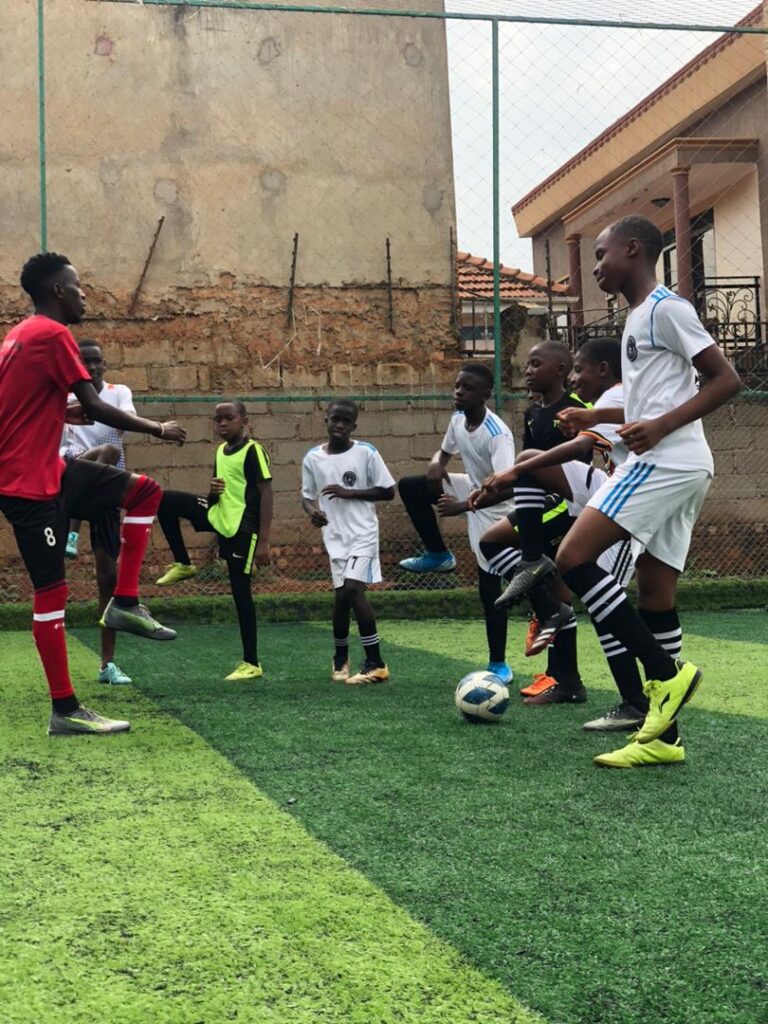
Be cautious if the academy:
- Promises your child will become a professional, or guarantees a contract abroad
- Focuses only on results for under-12 teams
- Plays children in one position all the time to win games
- Has no clear programme and simply “plays matches”
At young ages, development matters more than trophies. Children should learn the ball first, then tactics, then competition.
3. Check How Safe the Environment Is
Safety goes beyond the pitch. Before you commit, ask about:
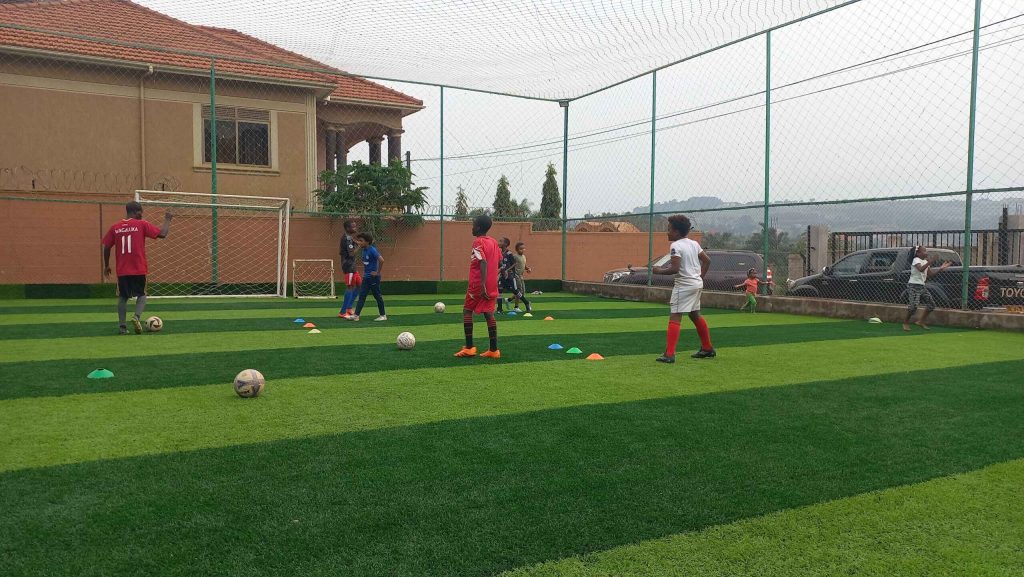
- Safeguarding. Is there a clear child protection policy? Who can a child or parent report a concern to?
- First aid. Is a trained person present during sessions, with a first aid kit on site?
- Injury management. What happens when a player is hurt, and how do they decide when he or she can return to play?
- Supervision. Are children supervised before and after training, during travel to matches, and at changing areas?
- Pitch condition. Hard, stony or uneven ground causes injuries. Ask to see where the children train.
4. Ask About Education
For most children, football will be one part of a bigger life plan. Even the most talented players need a solid education to fall back on, and many opportunities, including scholarships, depend on school results.
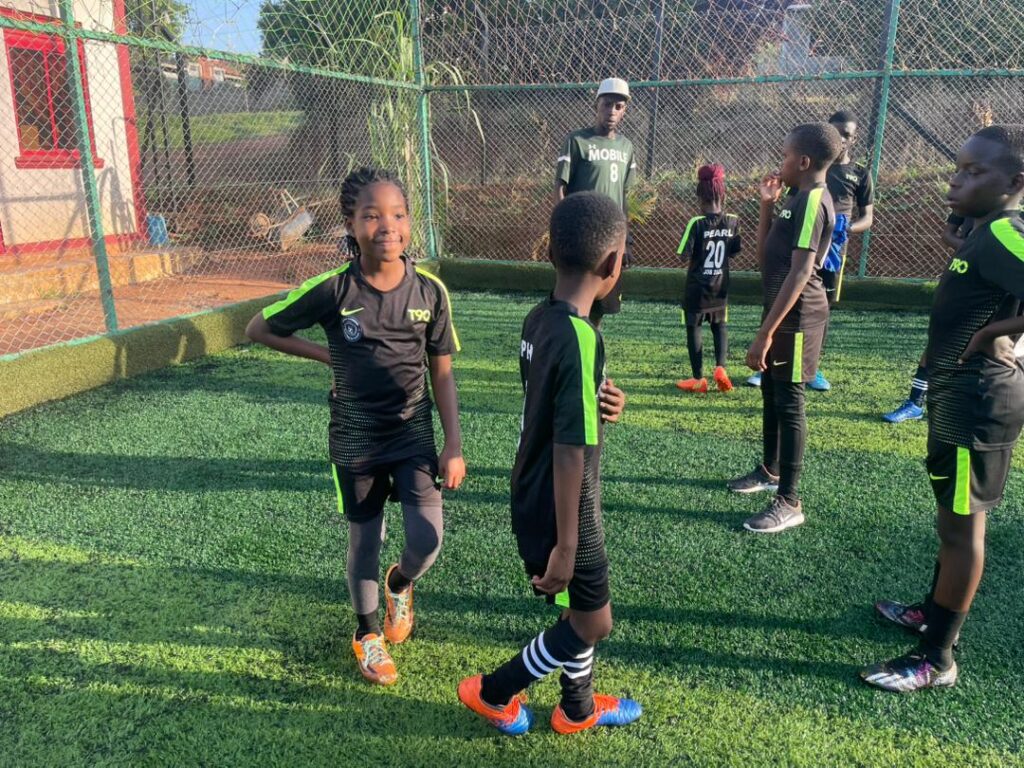
Good questions to ask:
- Do training times fit around school hours?
- Does the academy expect good school attendance and performance?
- Will it release players for exams?
- Does it encourage homework and rest, or does it pull children away from school?
An academy that treats school as an obstacle is not looking out for your child’s future.
5. Look at Facilities, but Don’t Be Fooled by Them
A good pitch, proper balls, cones, goals, bibs and a safe changing area all help. But the most expensive facilities do not automatically produce better players. Look for:
- A pitch that is flat, safe and well maintained
- Enough equipment for every child to get plenty of touches on the ball
- Clean water for players
- Shade, shelter or a safe place for parents to wait
If the basics are covered and the coaching is strong, your child will do well.
6. Understand the Fees and What They Cover
Fees in Kampala vary widely, so always ask for a written breakdown. Find out:
- What the registration fee and the regular fee cover
- Whether kit, boots, transport, tournament entry or meals are included or charged separately
- How and when you must pay
- Whether you receive a receipt for every payment
- What the refund or withdrawal policy is
Be wary of any academy that asks for large sums upfront, pressures you to pay quickly, or is vague about where the money goes. Transparent academies are happy to explain their costs.
7. Check Competition and Match Experience
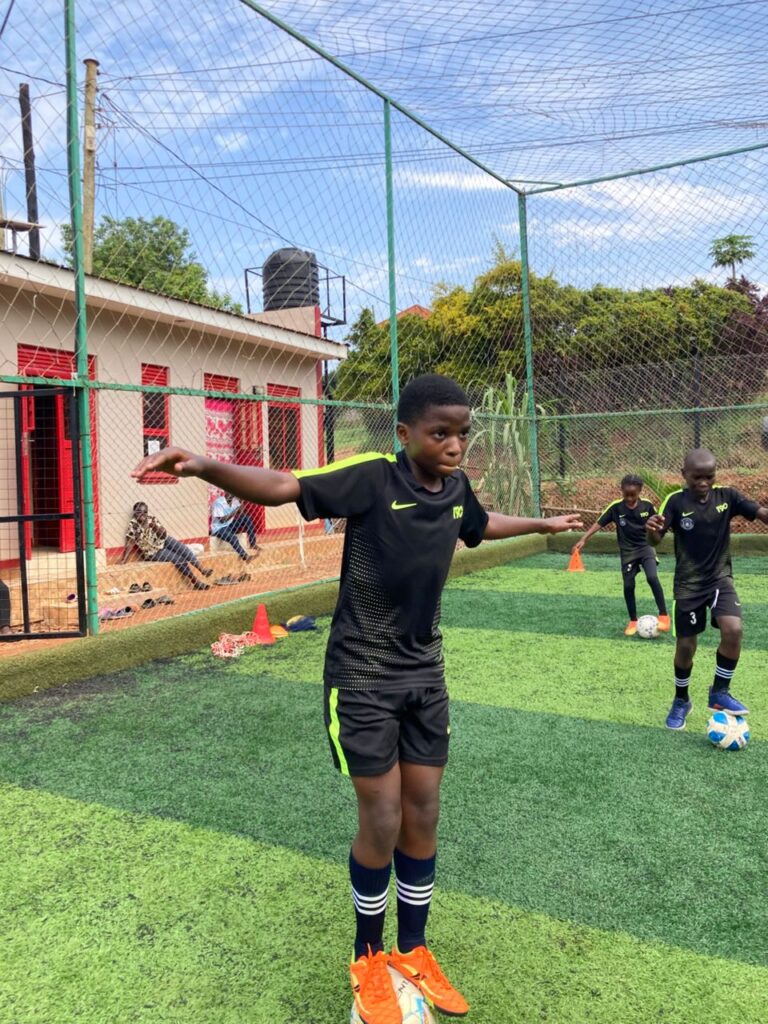
Children need regular games to apply what they learn in training. Ask:
- How often does the academy play matches?
- Against whom? Matches against teams of similar ability and age are best.
- Do all players get game time, or only the strongest?
- Does the academy take part in tournaments and leagues?
Regular, well-organised matches build confidence and show coaches where each player needs to improve.
8. Be Honest About Pathways and Exposure
Some academies advertise links with clubs in Uganda and abroad. That can be a real benefit, but check the claims carefully.
- Ask for specific examples of players who moved on to clubs, schools or higher levels, and what part the academy played.
- Be very careful with anyone who offers trials or contracts abroad in exchange for money. Genuine opportunities rarely require a parent to pay an agent upfront.
- Ask how the academy helps players be seen: through tournaments, scouting events, match footage or profiles.
A responsible academy explains what is realistic. Very few players become professionals, so the academy should also prepare children for other paths in and around football.
9. Pay Attention to Character Development

The best academies build people as well as players. Watch for how they teach:
- Discipline and punctuality
- Respect for coaches, teammates and opponents
- Handling defeat and pressure
- Teamwork and leadership
These qualities help your child on the pitch and in every other part of life.
10. Talk to Other Parents and Watch a Session
Nothing beats seeing an academy in action. Before you decide:
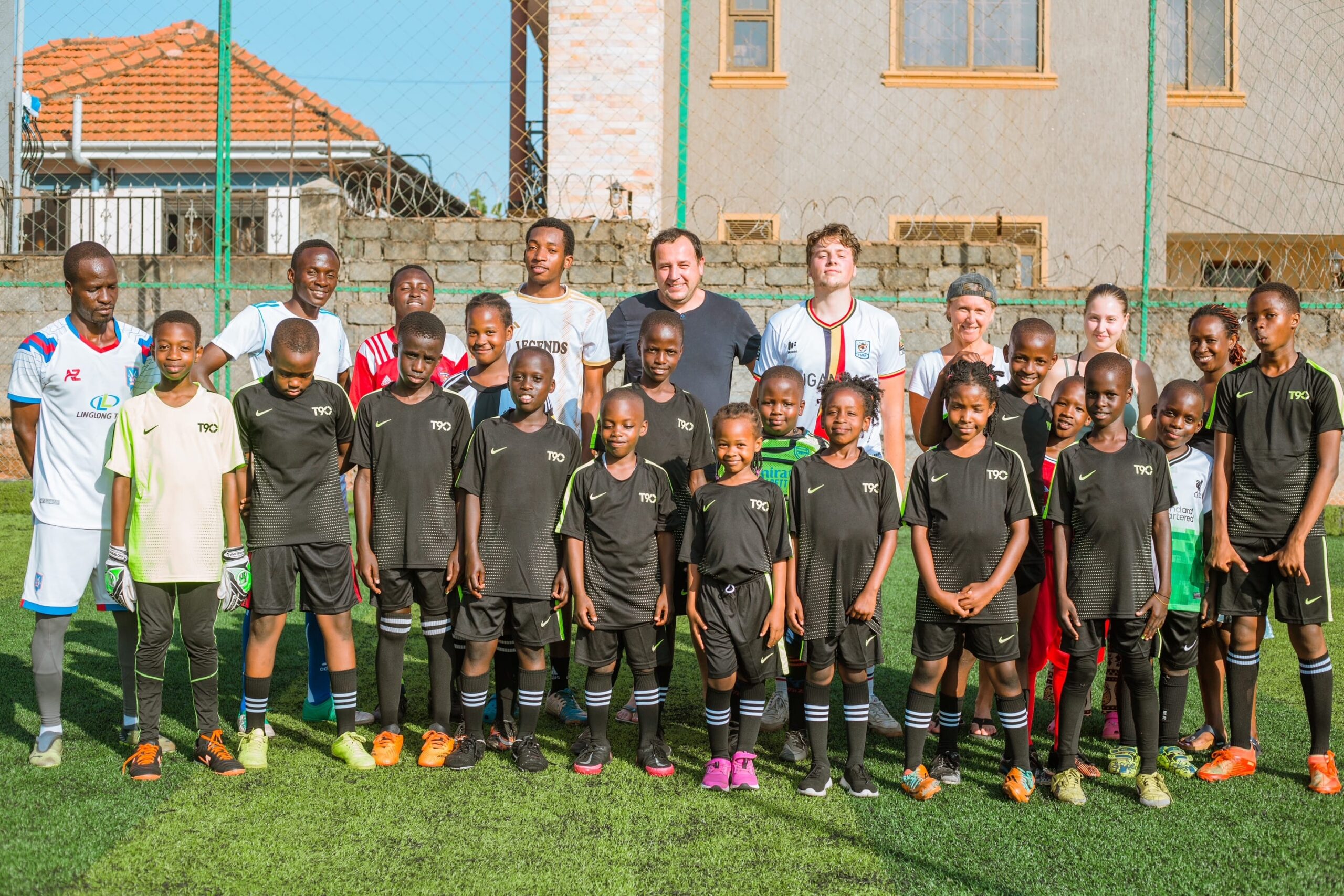
- Visit during a normal training session, not just on a special day.
- Talk to current parents and ask what they like and what they would change.
- Notice the children. Do they look happy, active and engaged? Are they getting lots of touches on the ball?
- Let your child try a session. Their reaction tells you a lot.
11. Communication Matters
You should always know what is happening with your child. A good academy shares training schedules, match fixtures and any changes in advance, gives you regular feedback on progress, and responds when you have a question or concern. If it is hard to get a straight answer before you sign up, it will only get harder afterwards.
Red Flags to Watch For
Walk away, or at least pause, if you see any of these:
- Guarantees of professional contracts or overseas trials
- Pressure to pay quickly or in cash with no receipt
- No clear coaches, programme or timetable
- Overcrowded sessions with little individual attention
- No attention to safety, first aid or safeguarding
- Unwillingness to let you watch training or speak to other parents
- Children being pushed to skip school for football
Your Quick Checklist
Print this or save it to your phone before you visit an academy:
- [ ] Coaches are qualified and experienced with my child’s age group
- [ ] Clear training philosophy focused on development, not just winning
- [ ] Safeguarding and first aid arrangements are in place
- [ ] Training schedule works around school
- [ ] Pitch and equipment are safe and adequate
- [ ] Fees are explained in writing and receipts are given
- [ ] Regular matches and fair playing time for every player
- [ ] Honest, realistic talk about pathways, with no guarantees
- [ ] Character and discipline are part of the programme
- [ ] I have watched a session and spoken to other parents
- [ ] Communication with parents is open and regular
Choosing the Right Fit for Your Child
There is no single “best” academy for every child. The right choice is the one where your child is safe, challenged, supported and enjoying the game. Take your time, ask plenty of questions, and trust what you see on the training ground.
At Mumwe Football Academy, we have been developing young players in Uganda since 2015, with a focus on professional coaching, skills and character. We encourage parents to visit, watch a session and ask us anything on this checklist.
Want to see how we work? Get in touch to arrange a visit or ask about joining by emailing to info@footballacademyuganda.org or calling us on +256-700135510