The dream of every aspiring Ugandan footballer is not just to play for the Cranes, but to make the career-defining move to a professional league abroad. For decades, this journey was a lottery, dependent on luck, a single trial, or an opportunistic agent. Today, that is changing. The rise of structured, high-calibre Football Academies and recent regulatory efforts by the Federation of Uganda Football Associations (FUFA) are creating a genuine, if still challenging, pipeline for exporting Ugandan talent onto the global stage.
This shift transforms football from a hobby into a viable economic export, injecting vital funds back into the grassroots of Ugandan sport via training compensation and solidarity mechanisms.
The Academy Revolution: A Structured Start
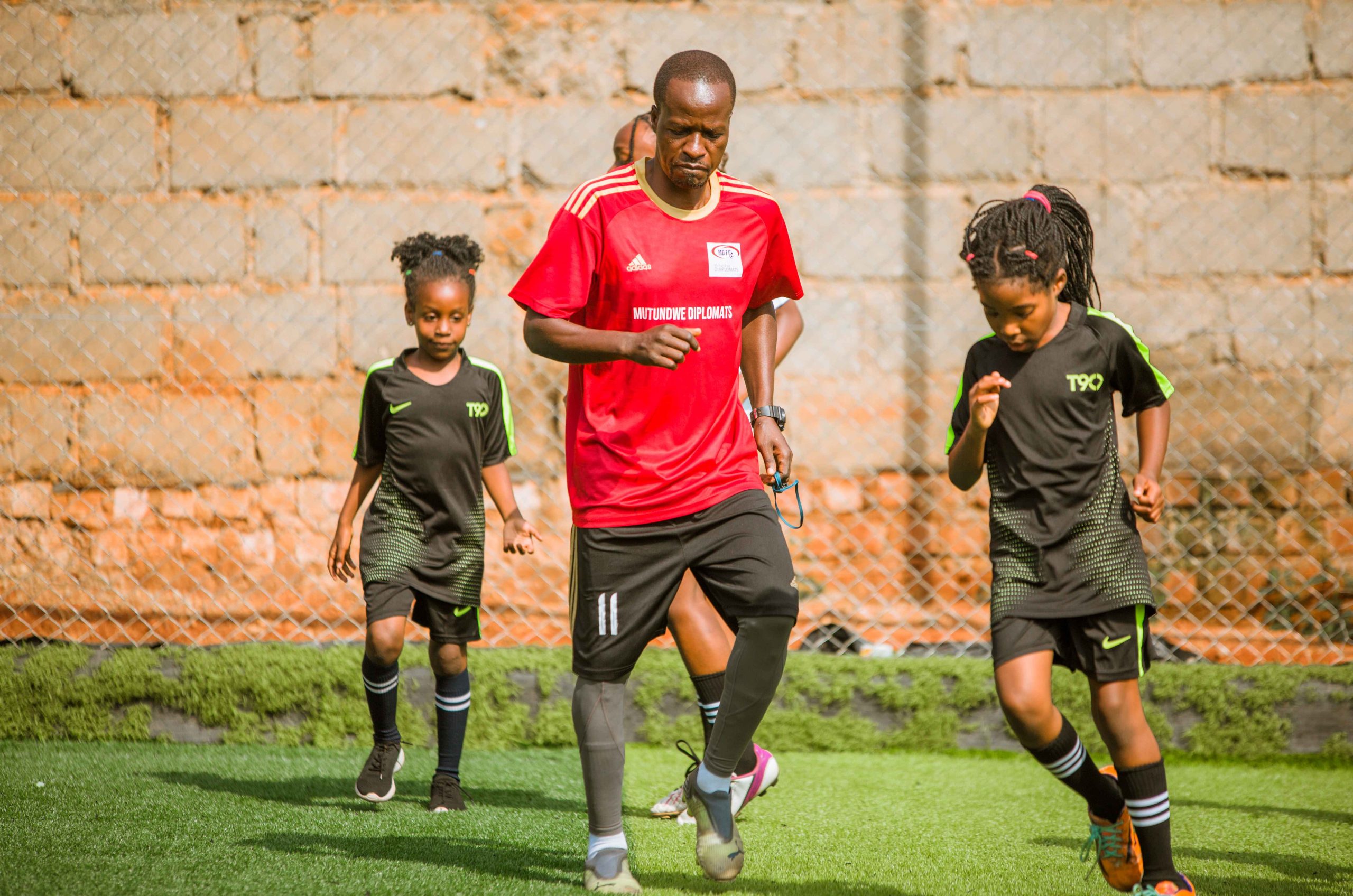
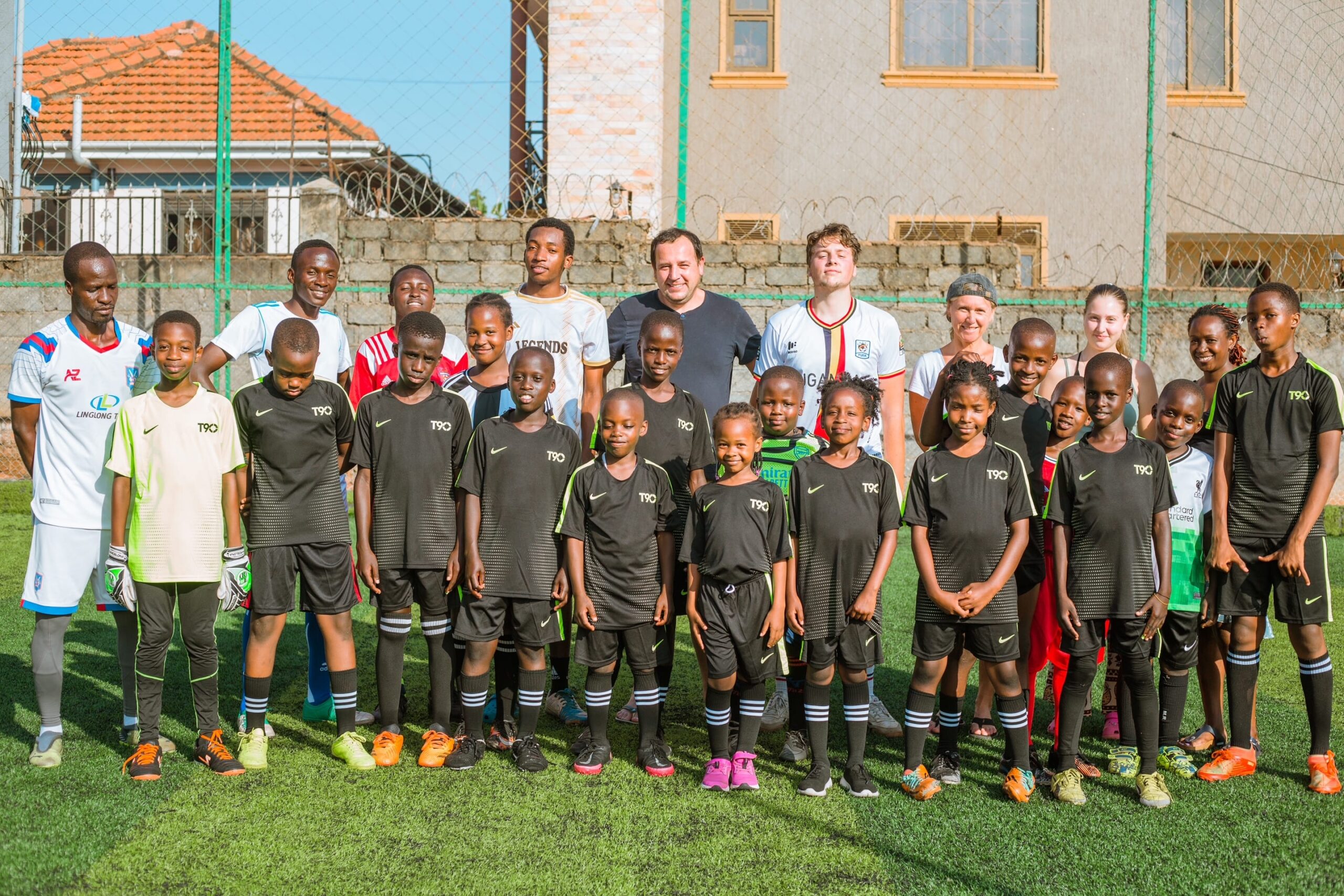
Modern Ugandan football academies are the engine room of this export system. They move beyond basic coaching to offer a holistic package critical for international success.
1. International Standard Training
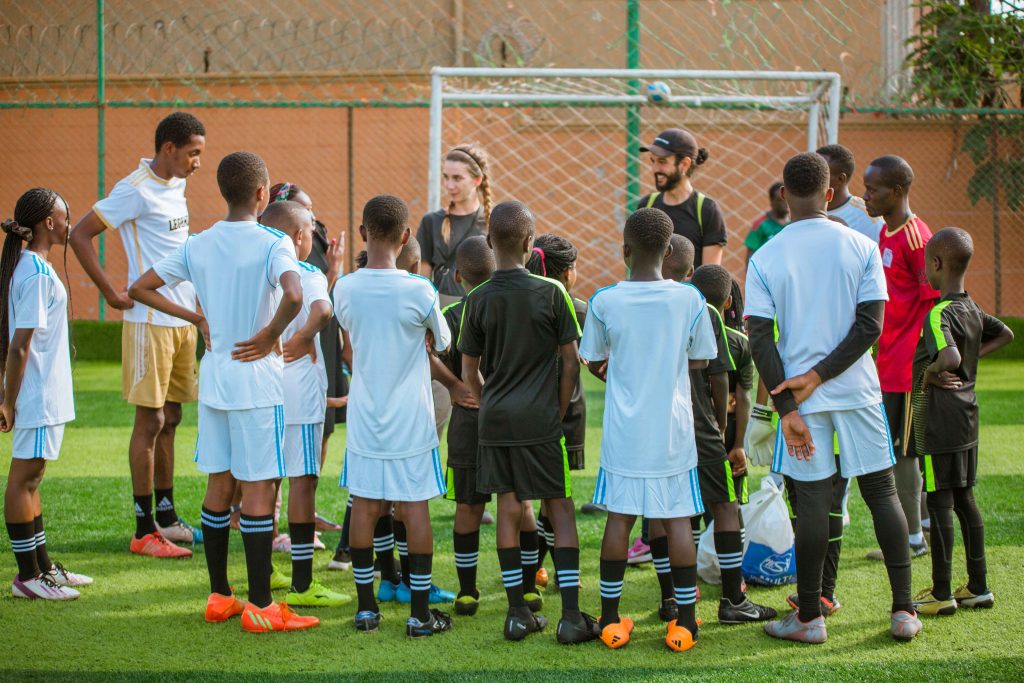
Academies like the Uganda Football Academy are adopting training methodologies that align with European and Scandinavian models. This is about more than just drills; it is about player intelligence.
- High-Intensity & Contextual Training: Training focuses on speed of thought, quick transitions, and tactical versatility, preparing players for the demanding pace of foreign leagues.
- Specialised Coaching: The best academies invest in coaches who hold CAF licenses (B and A) and have experience in high-level competition, ensuring the training quality is internationally benchmarked.
2. The Educational Safety Net
The decision to focus on the whole athlete is essential for European clubs. International transfers often involve young players who require documentation, discipline, and maturity.
- Mandatory Academics: Players are required to maintain academic performance. This commitment to education provides a career safety net but, more importantly, instills the discipline, time management, and language skills (often English or French) necessary to adapt to a foreign environment.
3. Exposure and Scouting Mechanisms
Talent is abundant in Uganda, but visibility is the currency of transfer. The most progressive academies are actively creating pathways for international scouts.

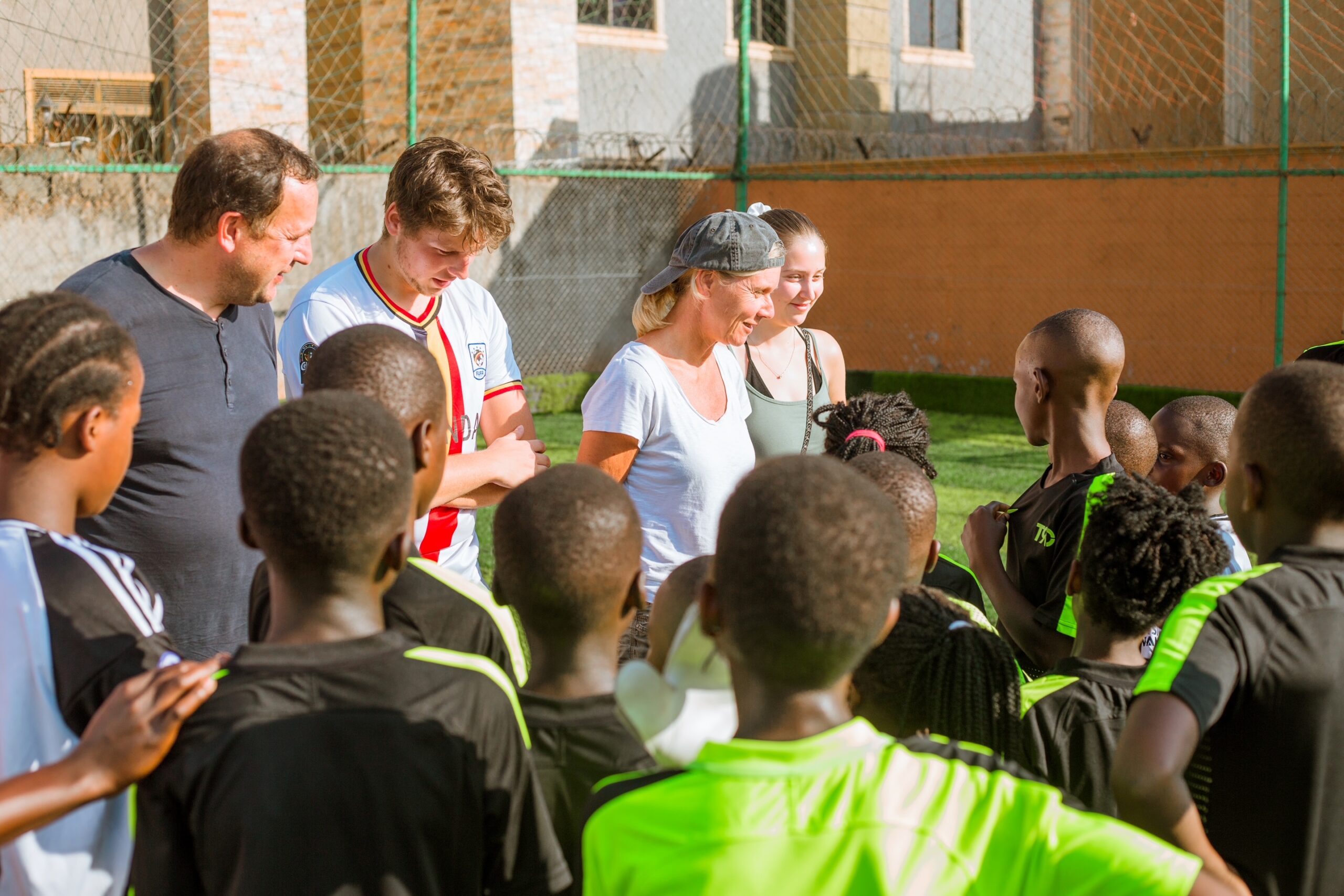
- European Showcases: Academies regularly participate in international youth tournaments or organise local showcases for scouts, providing direct visibility. For example, some Ugandan teams have toured Spain and other European countries, leading to placement opportunities for players in clubs across France, Spain, and Portugal.
- The Intermediary Role: While prone to exploitation in the past, a formalised system of certified FIFA agents and intermediaries is now essential. Academies work with reputable representatives who understand the complex FIFA regulations on the transfer of minors and protect the players’ interests.
FUFA’s Regulatory Role: Formalising the System
For the transfer system to be successful and ethical, it must be governed. FUFA has taken crucial steps to ensure the process is compliant with international regulations.

1. Standardization and Licensing
Recent reforms require all football academies to be licensed by the National Council of Sports (NCS) and approved by FUFA, using a tiered classification system (A to D) based on infrastructure, governance, and administration. This standardization ensures quality and filters out rogue operators.
2. The FIFA Solidarity Mechanism
Every international transfer of a professional player triggers a solidarity payment (up to 5% of the fee) that is distributed to the clubs/academies that trained the player between the ages of 12 and 23.
- Economic Lifeline: This mechanism is a vital revenue stream for grassroots clubs, proving that investing in and developing young talent pays—literally. It incentivizes local clubs to maintain detailed records of their players from a young age, crucial for claiming solidarity payments later.
- Transfer Volume: Recent FIFA Global Transfer Reports show a steady flow of both incoming and outgoing international transfers involving Ugandan players, highlighting the growing activity in the market.
📈 The Economic and Cultural Export
The successful movement of players—such as those currently playing in the Czech Republic, Romania, and the English lower leagues—has a compounding effect:
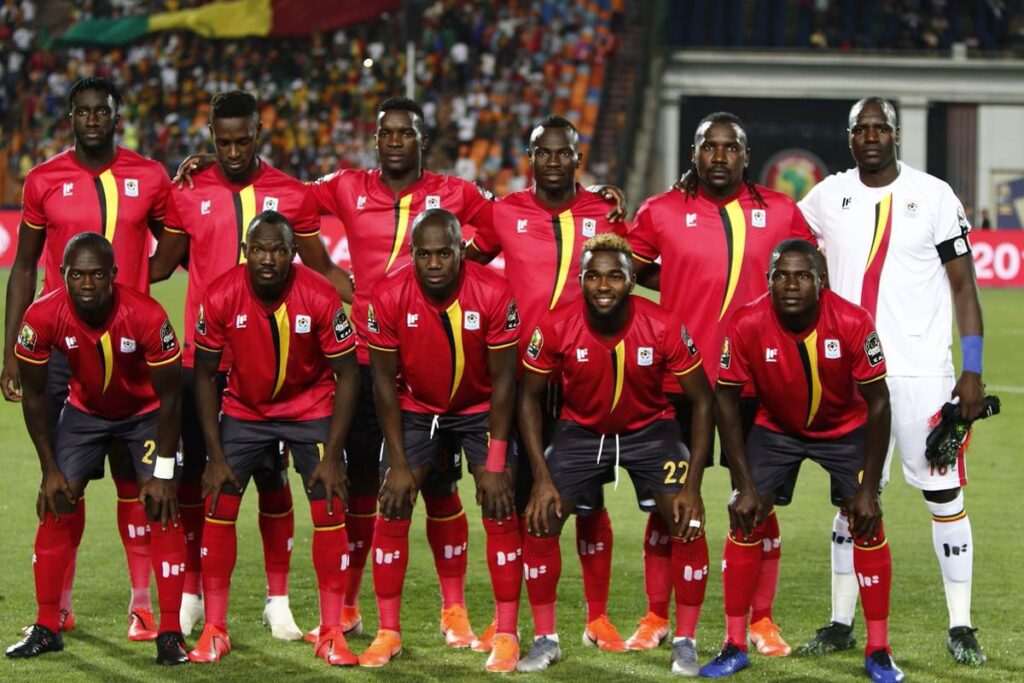
- National Team Strength: Players gaining experience in highly professional leagues return to the national team with increased tactical awareness and fitness, elevating the overall quality of the Uganda Cranes.
- Remittances and Investment: The income earned by Ugandan footballers abroad often translates into significant remittances back to their families and communities, fueling local economic activity.
- Inspiration: Every successful export becomes an immediate, tangible role model for the next generation of young Ugandan footballers, proving that the pathway, though difficult, is real.
Uganda is no longer just a source of raw talent; it is becoming a professionalized exporter of highly-trained, adaptable footballers. The future of Ugandan football lies in the sustainability of this system, ensuring that the academy training grounds remain the primary launchpads for the nation’s best on the world stage.