By Bryan Muhoozi
When school closes, many children head home to a long stretch of free time. Some spend it usefully. Others spend it on screens, with little exercise and nothing to challenge them.
For a young footballer, school holidays are one of the best opportunities of the year. There are no early mornings, no homework deadlines and no tired legs after a long school day. A well-run holiday football camp can turn those weeks into real progress.
This guide explains why school breaks matter for player development, what good holiday football camps in Uganda should include, and how to choose the right one for your child.
The Holidays Are Longer Than You Might Think
Uganda’s school year gives families several breaks. Under the Ministry of Education’s 2026 calendar, the first and second term holidays each last 23 days, and the third term holiday runs from 5 December 2026 to 31 January 2027, a total of 58 days.
That long December and January break is nearly two months. A child who spends even part of it training with good coaches can come back to school and to their team noticeably sharper. The dates for the 2027 school year may differ, so check the official Ministry calendar when it is published.
Why School Breaks Are Prime Development Time
1. More time on the ball.
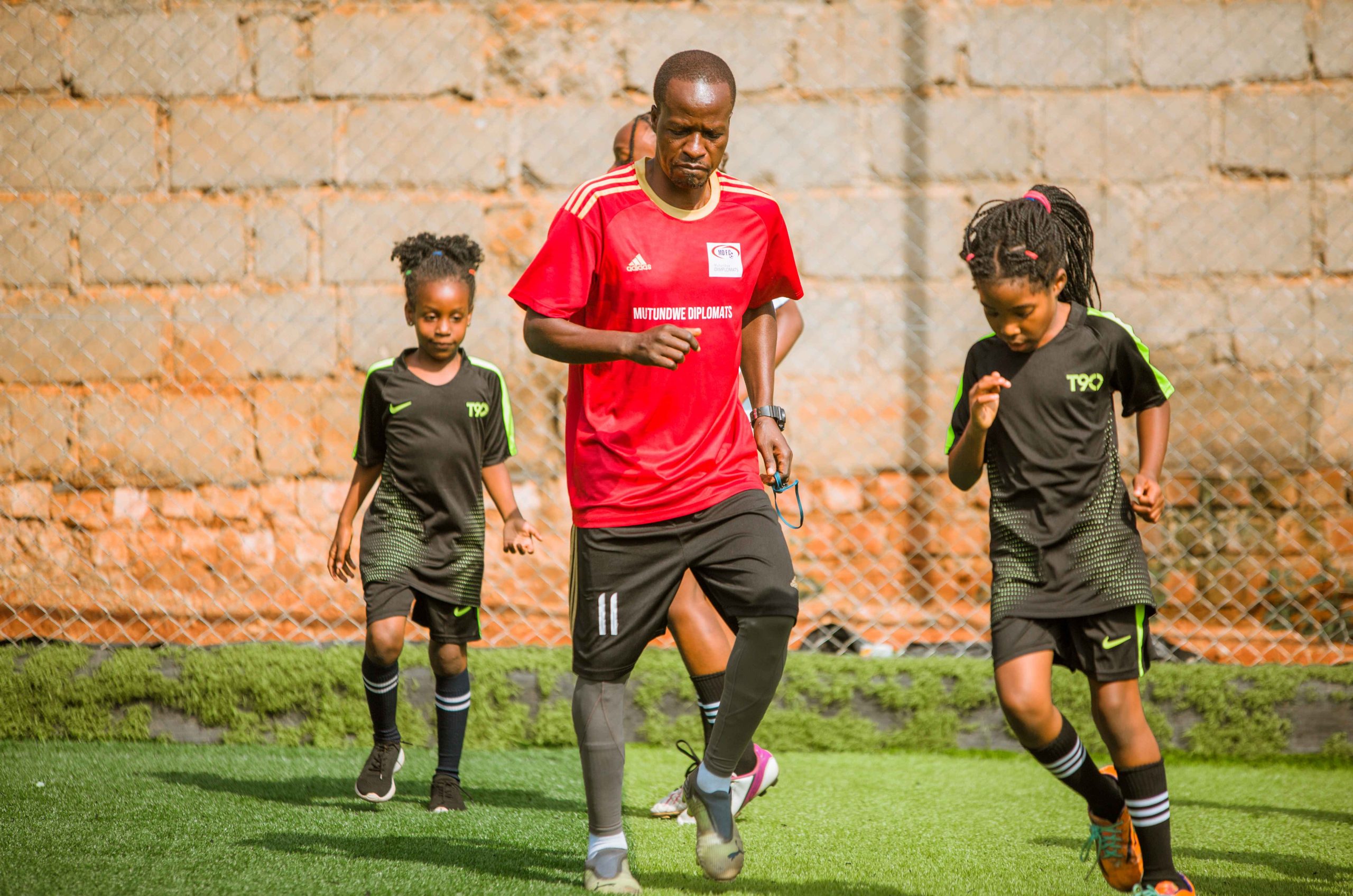
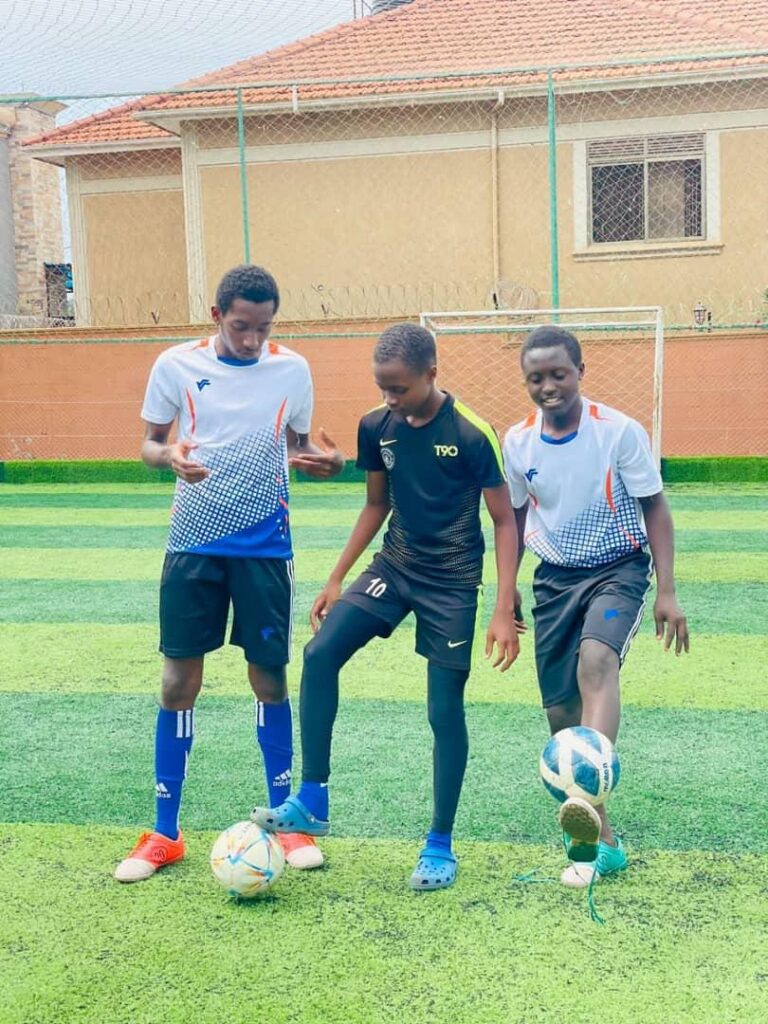
During term time, many players only get a couple of sessions a week, fitted around lessons and homework. A holiday camp can offer daily training, giving children far more touches on the ball. Football skills grow through repetition, and holidays make repetition possible.
2. Fresher bodies and minds.
Without the fatigue of a full school day, children can concentrate better and train with more energy. Coaches can introduce new ideas and children are more likely to absorb them.
3. Time for technical work.
Match schedules often leave little room to slow down and fix details. Camps give coaches the chance to work on first touch, weaker-foot passing, dribbling, finishing and positioning in a relaxed, focused way.
4. A chance to try new things.
Holidays are a good time to experiment: playing a new position, learning goalkeeping basics or practising set pieces, without the pressure of a league table.
5. Better habits.
A structured daily routine, with a set time to wake up, eat, train and rest, builds discipline. It also keeps children active and away from long hours of passive screen time.
6. Social growth.
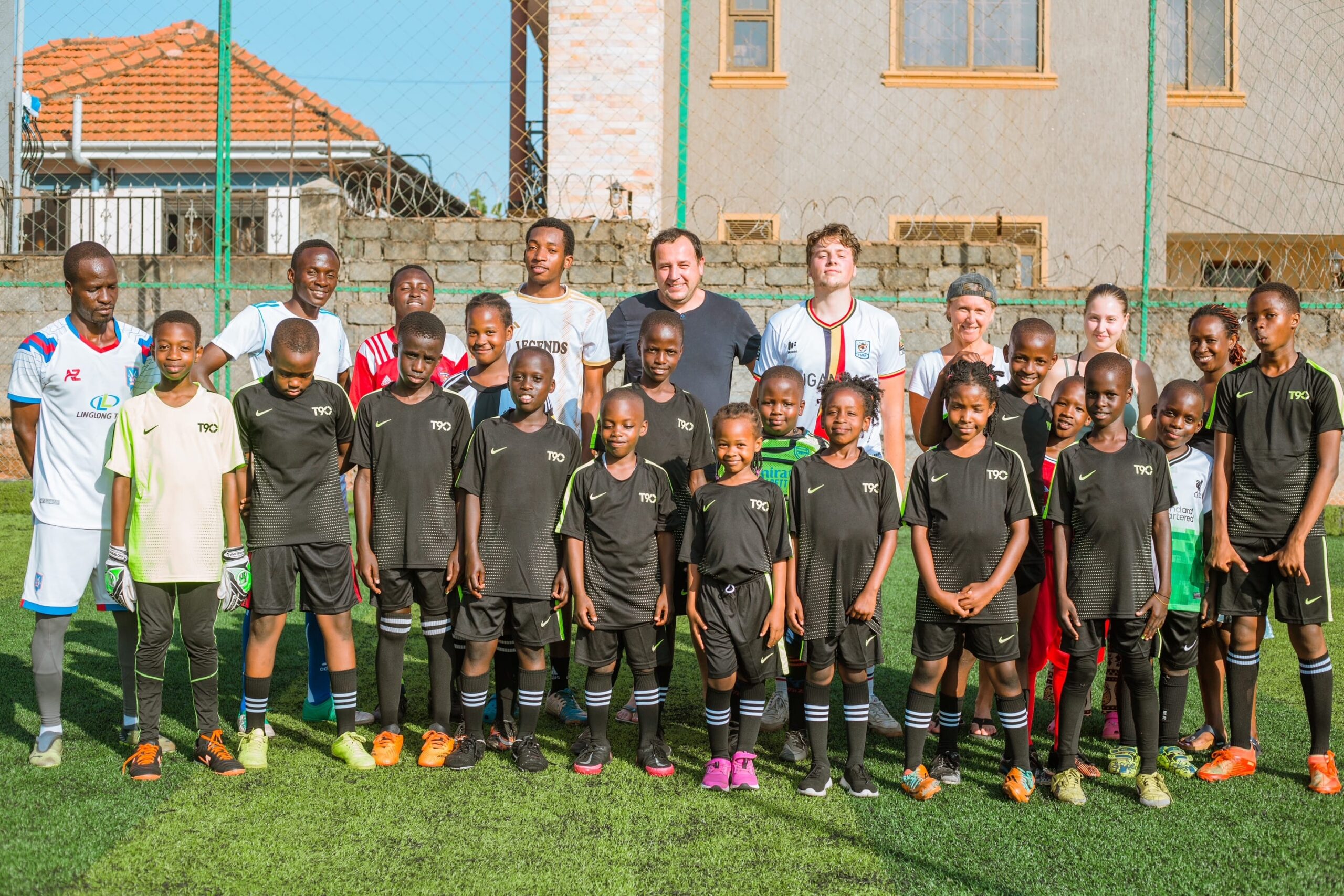
Camps bring together children from different schools and neighbourhoods. They learn to make friends, cooperate, communicate and handle healthy competition.
7. A head start before the new term.
Children who train during the break usually return to school teams and academy squads fitter and more confident. This can make a real difference when selection time comes.
Who Are Holiday Camps For?
Holiday camps can suit:
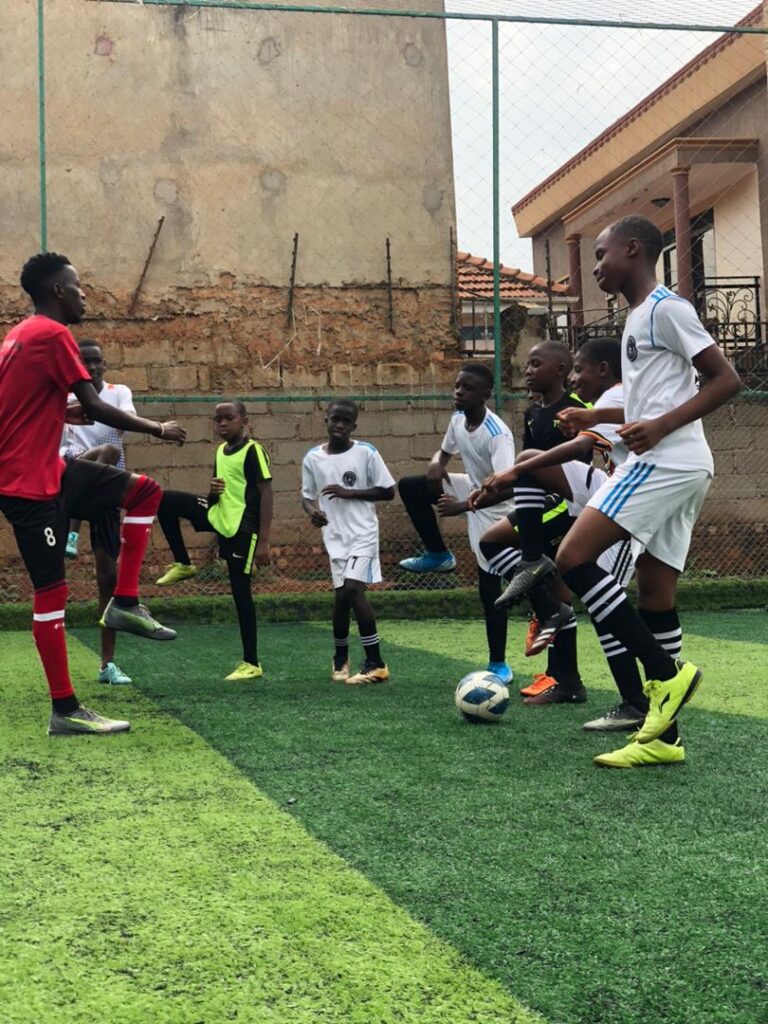
- Academy players who want extra training time
- Beginners who want to learn the game in a friendly setting
- School team players who want to improve before trials
- Children who love football but don’t have regular access to coaching
- Players returning from injury who need a gentle, supervised way back into training
Good camps group children by age and level, so a seven-year-old beginner isn’t thrown in with strong fifteen-year-olds.
What a Good Holiday Camp Should Include
Not every camp is the same. A strong programme should offer:
Qualified, caring coaches. Look for experienced coaches who know how to work with children and keep sessions safe and positive.
A clear structure. A typical day might include:
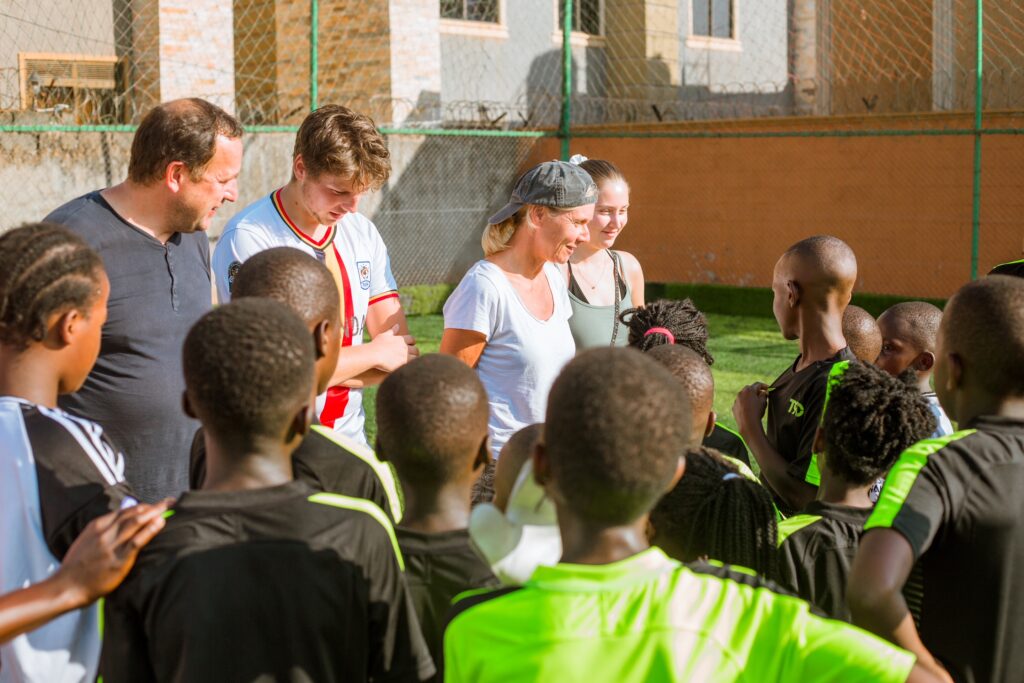
- Arrival and warm-up. Light movement, stretching and ball work to prepare the body
- Technical session. Dribbling, passing, control, shooting or goalkeeping skills
- Break and refreshments. Water, rest and a healthy snack
- Game-based learning. Small-sided games where children apply what they’ve learned
- Fun and challenges. Skills competitions, relay games and friendly matches
- Cool-down and feedback. Stretching, water and a few words from the coach
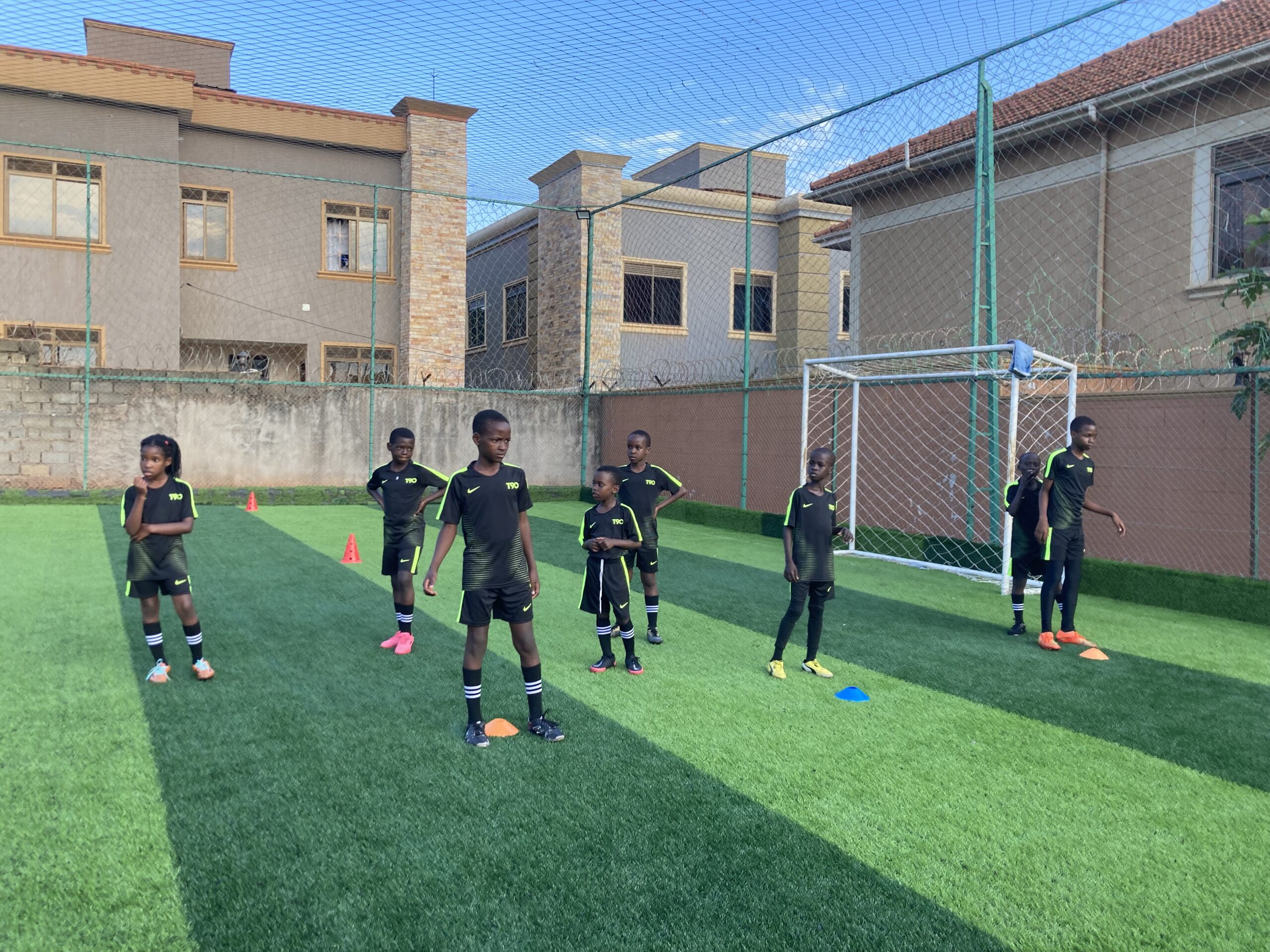
Age-appropriate groups. Younger children need more play and shorter sessions. Teenagers can handle more intensity and tactical work.
Small groups. Fewer children per coach means more individual attention.
Safety measures. First aid, trained supervision, a safe pitch and a clear plan for emergencies.
Healthy routines. Regular water breaks, shade or shelter and time to rest, especially in hot weather.
A positive atmosphere. Children should feel encouraged, not shouted at or humiliated.
What a Typical Camp Week Might Look Like
Every camp is different, but a balanced week could include:
- Monday: Ball mastery and first touch
- Tuesday: Passing and movement
- Wednesday: Dribbling and 1v1 situations
- Thursday: Shooting and finishing
- Friday: Small-sided matches and a skills challenge
Camps can run for a week, two weeks or the whole holiday, depending on the programme. Younger children often do well with shorter days, while older players may train longer.
Keep It Balanced: Avoid Overtraining
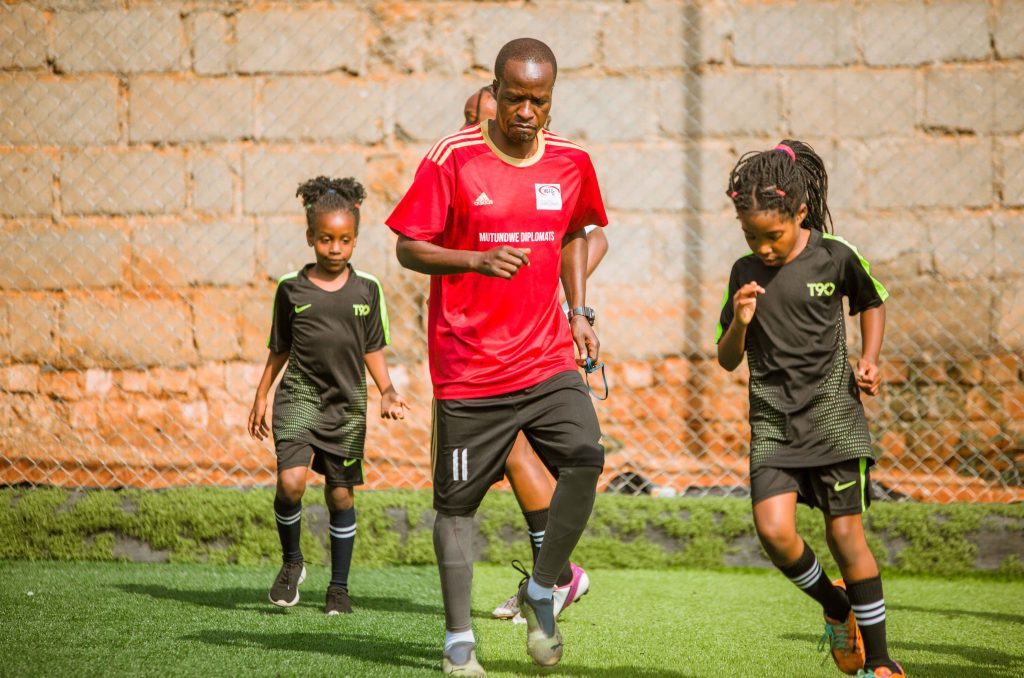
More training isn’t always better. Children still need rest, family time and fun away from football. Watch for signs that your child is doing too much:
- Constant tiredness or low energy
- Frequent aches, pains or small injuries
- Losing enthusiasm for football
- Mood changes or irritability
- Poor sleep or appetite
A good camp builds in rest days, short sessions for younger children and a gradual increase in workload. If your child has been inactive for a while, they should ease in rather than go straight to daily training.
Also remember that school holidays are a chance for children to be children. A camp should complement a balanced holiday, not replace everything else. Reading, chores, family visits and free play all have value.
What Parents Can Do to Prepare Their Child
- Pack the right kit. Boots or suitable shoes, shin guards, a comfortable kit, socks and a spare shirt
- Bring water. A full bottle, even if the camp provides some
- Protect against sun and rain. A hat, sunscreen or a light rain jacket depending on the weather
- Provide a good breakfast and snack. Porridge, eggs, bread, fruit or groundnuts give energy without feeling heavy
- Make sure they sleep well. Early nights keep children fresh for the next day
- Share health information. Tell the coaches about allergies, injuries or medical conditions
- Agree on pickup arrangements. Know who collects your child and when
Questions to Ask Before You Enrol Your Child
- What are the coaches’ qualifications and experience with children?
- What ages and levels is the camp designed for?
- How many children are in each group?
- What does a typical day look like?
- What safety and first aid arrangements are in place?
- Where is training held, and is the pitch safe?
- What does the fee cover, and is there a written receipt?
- What happens if my child is injured or becomes unwell?
- Is there a refund policy if my child can’t attend?
- Can I watch a session or speak to other parents?
Red Flags to Watch For
- No clear schedule or description of what children will do
- Overcrowded groups with only one coach
- No first aid or safeguarding information
- Pressure to pay quickly or in cash without a receipt
- Promises that your child will become a professional or be sent abroad
- Poor pitch conditions or no shade and water
- Coaches who shout at or humiliate children
- No contact details or unwillingness to answer questions
A Quick Parent Checklist
- [ ] The camp is suited to my child’s age and level
- [ ] Coaches are qualified and friendly with children
- [ ] Group sizes are small enough for individual attention
- [ ] There are safety and first aid arrangements
- [ ] The pitch is safe and there is water and shade
- [ ] Fees and what they include are clear, with a receipt
- [ ] Rest and breaks are built into the programme
- [ ] My child is excited about going
- [ ] I have packed the right kit and food
- [ ] I have a plan for pickup
Final Thoughts
School holidays are a gift of time. Used well, they can help a young footballer improve faster than a whole term of busy weekday sessions. But the best results come from the right balance: quality coaching, enough rest, healthy food and plenty of fun.
At Mumwe Football Academy, we believe good development comes from professional coaching, discipline and a positive environment. If you’d like your child to make the most of the holidays, we’d be happy to talk to you about training options.
Want your child to use the holidays well? Get in touch to ask about holiday training at Mumwe Football Academy. You can email to info@footballacademyuganda.org or call/chat with reservations on +256-700135510.