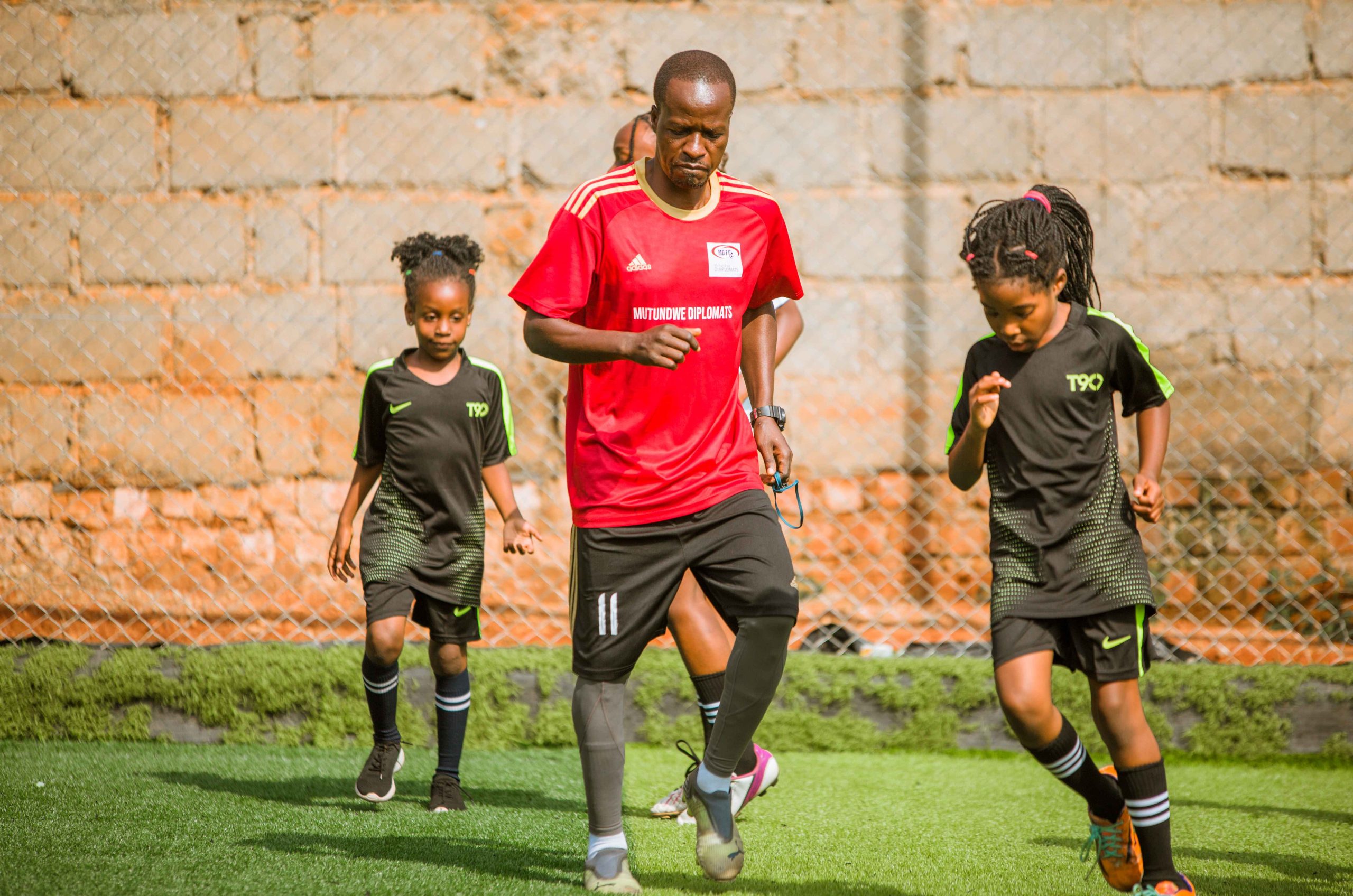
Uganda, a nation pulsating with football fervor, possesses an undeniable wealth of raw talent. From the dusty pitches of Kampala’s ghettos to the sprawling villages across the country, young boys and girls dream of emulating their heroes, pulling on the national team’s Cranes jersey, and perhaps, one day, gracing the hallowed turf of international stadiums. This dream is nurtured and, in many cases, ignited within Uganda’s burgeoning football academy system. Yet, beneath the surface of ambition and potential, a complex web of challenges threatens to trip up even the most promising talents. While hope springs eternal, the hurdles faced by these academies are significant, demanding strategic intervention and sustained investment.

The most glaring challenge is arguably inadequate infrastructure and resources. Many academies operate on shoestring budgets, often relying on the passion of their founders and minimal community support. Pitches are frequently uneven, lacking proper drainage, and sometimes shared with other activities, leading to constant wear and tear. Imagine a promising young midfielder trying to hone their touch on a field riddled with divots and exposed roots – it’s a testament to their dedication, but hardly an ideal environment for elite development. Equipment scarcity is another major issue; quality footballs, cones, bibs, and even proper training gear are often luxuries. This forces coaches to improvise, limiting the scope and effectiveness of training sessions. The absence of dedicated gym facilities, medical rooms, and even clean changing areas further stunts the professional growth of young athletes, exposing them to avoidable injuries and a lack of proper rehabilitation.
Beyond the physical limitations, coaching quality and continuity present a significant hurdle. While many Ugandan coaches are passionate and deeply committed, access to advanced coaching education and continuous professional development remains limited. Formal qualifications can be expensive and inaccessible, particularly for those in remote areas. This can lead to a reliance on outdated training methodologies, a lack of tactical sophistication, and an inability to adapt to modern footballing trends. Furthermore, high turnover rates among coaches due to better opportunities or financial constraints disrupt the crucial long-term mentorship required for player development. A revolving door of coaches means inconsistent philosophy, delaying a player’s progress and hindering the establishment of a cohesive team identity.
Financial sustainability underpins almost every other challenge. Most Uganda football academies struggle to generate sufficient income. Player fees, where they exist, are often minimal to avoid excluding talented children from low-income backgrounds. Sponsorships from local businesses are scarce, and larger corporate investments tend to gravitate towards established top-tier clubs. This constant financial precariousness impacts everything from facility maintenance to coach salaries, nutritionist access, and academic support. Many academies, in their desperation, are forced to prioritize immediate survival over long-term development strategies. The temptation to sell young players prematurely to foreign agents, sometimes without adequate safeguards or consideration for the player’s holistic well-being, can arise from this financial pressure, often benefiting the agent and the academy more than the player’s career.
The lack of a clear pathway to professional football is a demotivating factor for many young talents. While academies nurture dreams, the bridge to Uganda Premier League clubs or international opportunities often remains unbuilt or rickety. Scouting networks are often informal and inconsistent, meaning many talented players in smaller academies might never be discovered. When opportunities do arise, they are not always based purely on merit, and young players can fall prey to unscrupulous agents or trials that lack transparency. This creates a bottleneck where a vast reservoir of talent competes for very few professional spots, leading to disillusionment and many abandoning football despite their potential.
Finally, holistic player development and academic integration are often overlooked. Many academies focus almost exclusively on football skills, neglecting the academic, psychological, and social development of their young charges. Yet, very few academy players will ultimately make it as professional footballers. For the vast majority, education is their vital safety net and future pathway. The demands of training often clash with school schedules, and without deliberate efforts to integrate education, many talented individuals sacrifice their schooling for a football dream that may never materialize. This leaves them vulnerable, with neither a football career nor adequate academic qualifications.
Despite these significant hurdles, there is immense hope. The passion for football in Uganda is an unyielding force, a powerful foundation upon which to build. The successes of players like Denis Onyango and Farouk Miya, who have emerged from similar grassroots systems, serve as powerful inspirations. The growing recognition by institutions like FUFA (Federation of Uganda Football Associations) that youth development is crucial is a positive step. Efforts to introduce licensing requirements for academies and to formalize age-group competitions are beginning to create a more structured environment.
The path forward requires a multi-pronged approach. Increased investment from both government and the private sector is crucial for improving infrastructure and providing adequate resources. Developing robust, accessible coaching education programs, perhaps through partnerships with international football organizations, would elevate the quality of instruction. Establishing transparent scouting networks and formal partnerships between academies and professional clubs could create clearer pathways. Crucially, a renewed focus on holistic player development, integrating strong academic programs and life skills training, would ensure that every young person leaving an academy, whether for professional football or another career, is equipped for success.
Uganda’s football academy system is at a critical juncture. The hurdles are formidable, but the hope, fueled by an abundance of talent and unwavering passion, remains vibrant. By systematically addressing these challenges, Uganda can transform its football academies from mere dream factories into sustainable institutions that not only produce elite footballers but also empower a generation of well-rounded, resilient young leaders, ready to represent their nation on and off the pitch.
Bryan Muhoozi